Ready to buy? Check current prices on Amazon and compare deals before you decide.
Many women navigating midlife and menopause seek ways to manage common experiences like night sweats and disrupted sleep. Black cohosh is a botanical often explored for these purposes. Understanding how to incorporate it into a daily routine, particularly regarding the best time of day to take it, is a common question.
While black cohosh is a popular choice, specific research directly addressing the optimal time of day to take it for night sweats and sleep is still developing. This article will explore general considerations and practical approaches based on current understanding, emphasizing the importance of individual experiences.
Understanding Night Sweats and Sleep Disruption in Midlife
Night sweats, characterized by excessive sweating during sleep, are a form of vasomotor symptom often experienced during perimenopause and menopause.[1] These episodes can significantly interrupt sleep, leading to fatigue, irritability, and a diminished sense of well-being. The discomfort and subsequent sleep fragmentation can have a considerable impact on daily life.
Disrupted sleep during midlife isn’t solely due to night sweats. Hormonal shifts can also affect sleep architecture, making it harder to fall asleep, stay asleep, or achieve restorative sleep. Addressing both night sweats and overall sleep quality is often a priority for women during this time.
How Black Cohosh May Support Menopausal Comfort
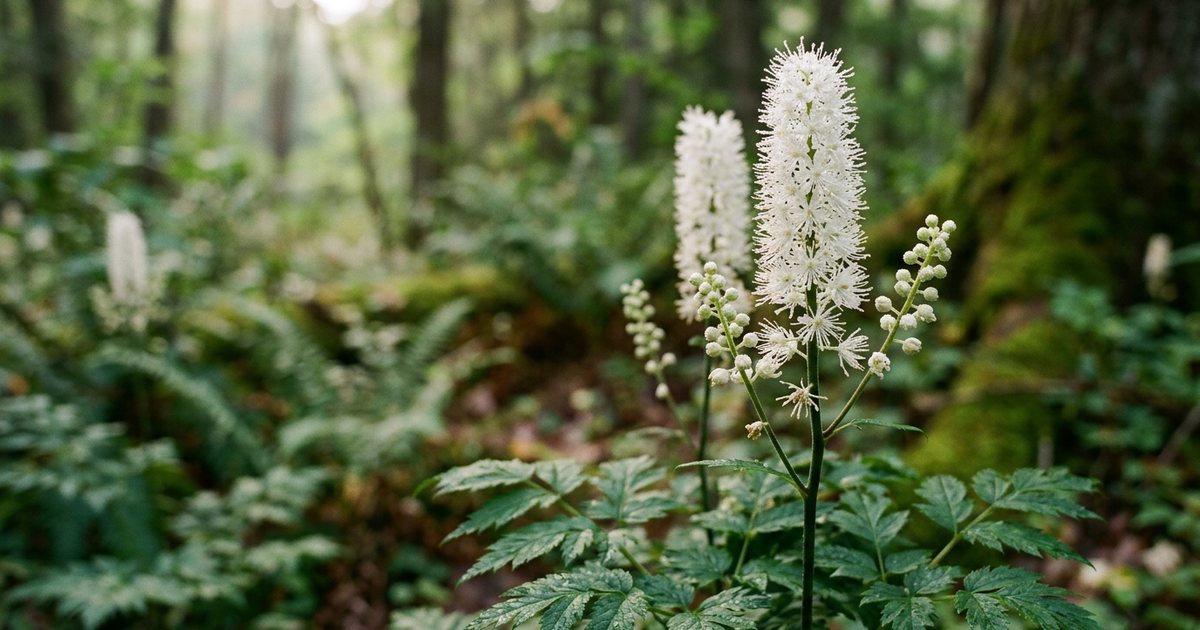
Black cohosh (Actaea racemosa or Cimicifuga racemosa) has a long history of traditional use, and modern interest centers on its potential to help manage menopausal discomforts. While the exact mechanisms are not fully understood, it is thought to interact with various body systems.[2]

Many women choose black cohosh to help with common menopausal experiences, including hot flashes and night sweats. The goal is often to reduce the frequency or intensity of these symptoms, which could, in turn, contribute to more restful sleep.
Considering Black Cohosh Timing for Night Sweats
When considering the best black cohosh timing for night sweats, the primary objective is often to have the botanical’s potential effects present during the nighttime hours. Some individuals choose to take black cohosh in the evening, with the idea that its supportive actions might be more active when night sweats are most likely to occur.
However, it’s important to remember that botanicals like black cohosh do not typically provide immediate, acute relief in the same way some conventional medications might. Their supportive effects are often built up over time with consistent use. Therefore, while an evening dose might seem logical, the overall consistency of taking it daily may be a more significant factor than the exact timing for managing night sweats.
Black Cohosh Timing and General Sleep Support
Beyond directly addressing night sweats, some women explore black cohosh for general sleep support during midlife. If night sweats are a primary cause of sleep disruption, then any reduction in their occurrence or intensity could indirectly lead to improved sleep quality.
For general sleep support, a consistent daily regimen is often suggested for botanicals. Whether this is taken in the morning, evening, or split into multiple doses throughout the day, the key is regularity. Some individuals find that taking it earlier in the day works well, while others prefer an evening dose if they associate it with nighttime symptom management. There is no definitive evidence to suggest one time is superior for overall sleep improvement.

Practical Considerations for Dosing and Timing
When starting black cohosh, it’s generally recommended to follow the dosage instructions provided by the manufacturer or as advised by a qualified healthcare professional. Consistency is often more important than precise timing for many botanicals to allow their supportive effects to develop.
Some women choose to take black cohosh once daily, either in the morning or evening. Others might opt for a split dose, taking it twice a day. Keeping a symptom diary can be a helpful way to observe any patterns or improvements related to timing and overall use. This personal observation can guide individual adjustments to find what feels most supportive.
Remember that individual responses to botanicals can vary. What works well for one person may not be the same for another. Patience and consistent use, typically over several weeks, are often necessary to assess any potential benefits.[3]
What We Don’t Know Yet About Optimal Timing
Currently, there is limited specific research that directly compares different times of day for taking black cohosh specifically to optimize relief from night sweats or improve sleep. Most studies on black cohosh focus on its general efficacy for menopausal symptoms rather than the nuances of dosing schedules.
This means that recommendations for optimal timing are largely based on general principles of botanical use, anecdotal reports, and logical reasoning about symptom presentation. Further research is needed to provide more definitive guidance on this specific aspect of black cohosh use.
References
- Black cohosh (Cimicifuga spp.) for menopausal symptoms. Cochrane Database Syst Rev, 2012. PMID 22972105.
- Black cohosh acts as a mixed competitive ligand and partial agonist of the serotonin receptor. J Agric Food Chem, 2003. PMID 12952416.
- Efficacy and safety of isopropanolic black cohosh extract for climacteric symptoms. Obstet Gynecol, 2005. PMID 15863547.
These statements have not been evaluated by the Food and Drug Administration. This information is not intended to diagnose, treat, cure, or prevent any disease. Content is for informational purposes only and is not medical advice; consult a qualified healthcare provider before starting any supplement. As an Amazon Associate we earn from qualifying purchases.
