Navigating severe night sweats during menopause can significantly impact sleep quality and overall well-being. Many women explore various options to manage these disruptive symptoms.
This article examines the current understanding of black cohosh and gabapentin as potential approaches for managing severe menopausal night sweats, focusing on their reported efficacy and side effect profiles based on available evidence.
Understanding Menopausal Night Sweats
Night sweats are a common manifestation of vasomotor symptoms (VMS), which include hot flashes and sweats, experienced by women during the menopausal transition [1]. These symptoms can range from mild to severe and are often disruptive, particularly when they occur during sleep [2].
The exact mechanisms causing VMS are not fully understood, but they are believed to involve changes in the thermoregulatory center of the brain in response to fluctuating hormone levels [3]. For some women, night sweats are infrequent, while for others, they can be frequent and intense, leading to significant discomfort and sleep disturbances [4].
Black Cohosh for Menopausal Night Sweats
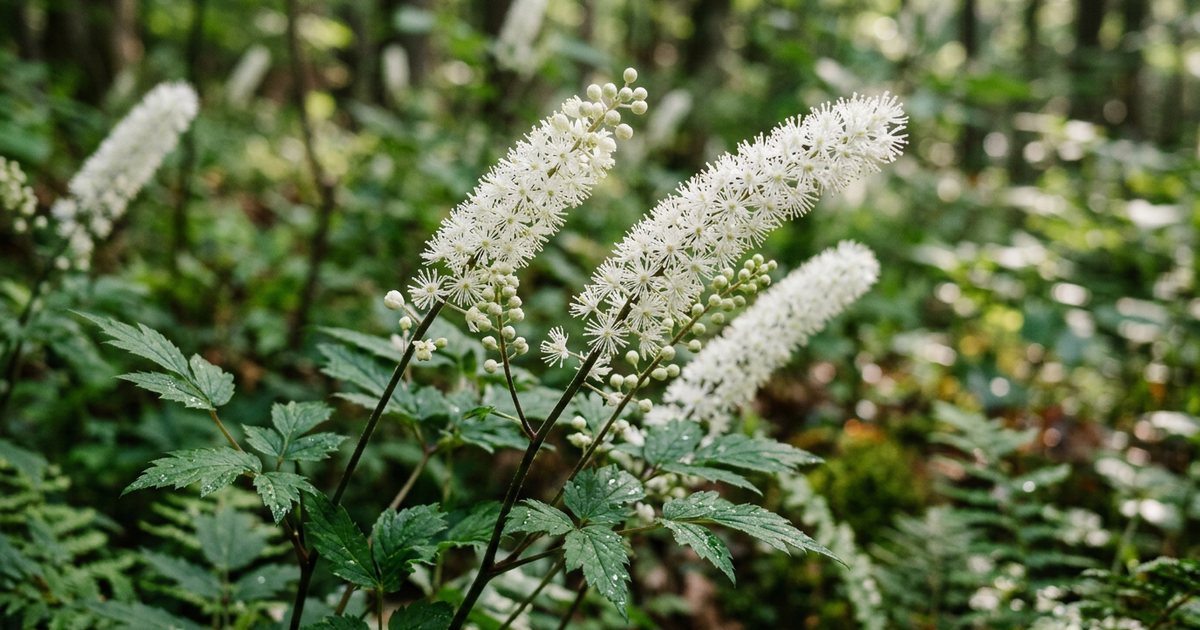
Black cohosh (Cimicifuga racemosa) is a botanical supplement often considered for menopausal symptoms, including night sweats [1]. It has been suggested that black cohosh may interact with neurotransmitter systems or have estrogenic-like effects, though its precise mechanism of action is still being investigated [5].

Some research suggests black cohosh may offer some benefit for vasomotor symptoms, including night sweats, but the evidence base is limited and inconsistent [1][6]. It is important to note that studies have shown mixed results, and a clear consensus on its effectiveness has not been reached [7].
Reported side effects of black cohosh are generally mild and may include gastrointestinal upset, headache, and rash [1]. There have been rare reports of liver concerns, although a direct causal link is not definitively established [5]. It is generally recommended to use black cohosh for a limited duration and under professional guidance [7].
Gabapentin for Severe Menopausal Night Sweats
Gabapentin is an anticonvulsant medication that has been explored as a non-hormonal option for managing severe menopausal vasomotor symptoms, including night sweats [1]. Its proposed mechanism of action for VMS involves modulating neurotransmitters in the central nervous system, which may influence the thermoregulatory center [3].
Evidence suggests that gabapentin can reduce the frequency and severity of hot flashes and night sweats in some women [1][6]. It has been considered a therapeutic option, particularly for women who cannot or prefer not to use hormonal therapy, or those with severe symptoms [2][8].
Common side effects associated with gabapentin include dizziness, drowsiness, fatigue, and peripheral edema [1][9]. These side effects can sometimes be dose-dependent. It is a prescription medication and requires careful dosage adjustment under the supervision of a healthcare provider [6].

Comparing Efficacy and Side Effects: Black Cohosh vs. Gabapentin
When comparing black cohosh and gabapentin for severe menopausal night sweats, it is important to consider the differences in their evidence base and typical side effect profiles.
Gabapentin has more consistent evidence supporting its ability to reduce the frequency and severity of vasomotor symptoms compared to black cohosh [1][6]. It is recognized as an effective non-hormonal option for VMS by some professional organizations [7]. Black cohosh, while widely used, has more limited and conflicting evidence regarding its efficacy for night sweats [1][6].
Regarding side effects, black cohosh generally has a milder profile, with gastrointestinal upset or headache being common [1]. Gabapentin’s side effects can be more pronounced, including dizziness and drowsiness, which may affect daily activities, especially at higher doses [1][9]. The choice between these options often depends on individual symptom severity, tolerance for potential side effects, and professional medical advice [10].
References
- A systematic review of non-hormonal treatments of vasomotor symptoms in climacteric and cancer patients. SpringerPlus, 2015
- Treatment strategies for reducing the burden of menopause-associated vasomotor symptoms. Journal of managed care pharmacy : JMCP, 2008
- Treatment strategies for hot flushes. Expert opinion on pharmacotherapy, 2009
- Hot flushes: are there effective alternatives to estrogen?. Menopause international, 2010
- Non-estrogen conventional and phytochemical treatments for vasomotor symptoms: what needs to be known for practice. Climacteric : the journal of the International Menopause Society, 2012
- Assessing risks and benefits of nonhormonal treatments for vasomotor symptoms in perimenopausal and postmenopausal women. Journal of women’s health (2002), 2011
- AMERICAN ASSOCIATION OF CLINICAL ENDOCRINOLOGISTS AND AMERICAN COLLEGE OF ENDOCRINOLOGY POSITION STATEMENT ON MENOPAUSE-2017 UPDATE. Endocrine practice : official journal of the American College of Endocrinology and the American Association of Clinical Endocrinologists, 2017
- ENDOCRINE DILEMMA: Managing menopausal symptoms after breast cancer. European journal of endocrinology, 2016
- Drugs for menopausal symptoms. The Medical letter on drugs and therapeutics, 2020
- Non-hormonal therapy of post-menopausal vasomotor symptoms: a structured evidence-based review. Archives of gynecology and obstetrics, 2007
These statements have not been evaluated by the Food and Drug Administration. This information is not intended to diagnose, treat, cure, or prevent any disease. Content is for informational purposes only and is not medical advice; consult a qualified healthcare provider before starting any supplement. As an Amazon Associate we earn from qualifying purchases.
