The journey through perimenopause often arrives with an unwelcome suite of symptoms: unpredictable hot flashes that erupt without warning, night sweats that disrupt precious sleep, and mood swings that feel entirely out of character. For many women seeking relief, the idea of a natural alternative like black cohosh (Actaea racemosa) holds significant appeal. But in a world overflowing with wellness claims, how do we discern what truly works from what’s merely hopeful speculation?
This article aims to cut through the noise, offering an evidence-based look at black cohosh benefits as understood in 2026. We’ll explore what the science says about its effectiveness for common perimenopausal symptoms, acknowledging both its potential and its limitations, so you can make informed decisions about your health.
As an Amazon Associate, we may earn from qualifying purchases made through links on this page. This comes at no extra cost to you and helps support our mission to provide evidence-based health information.
Understanding Black Cohosh: What Is It?
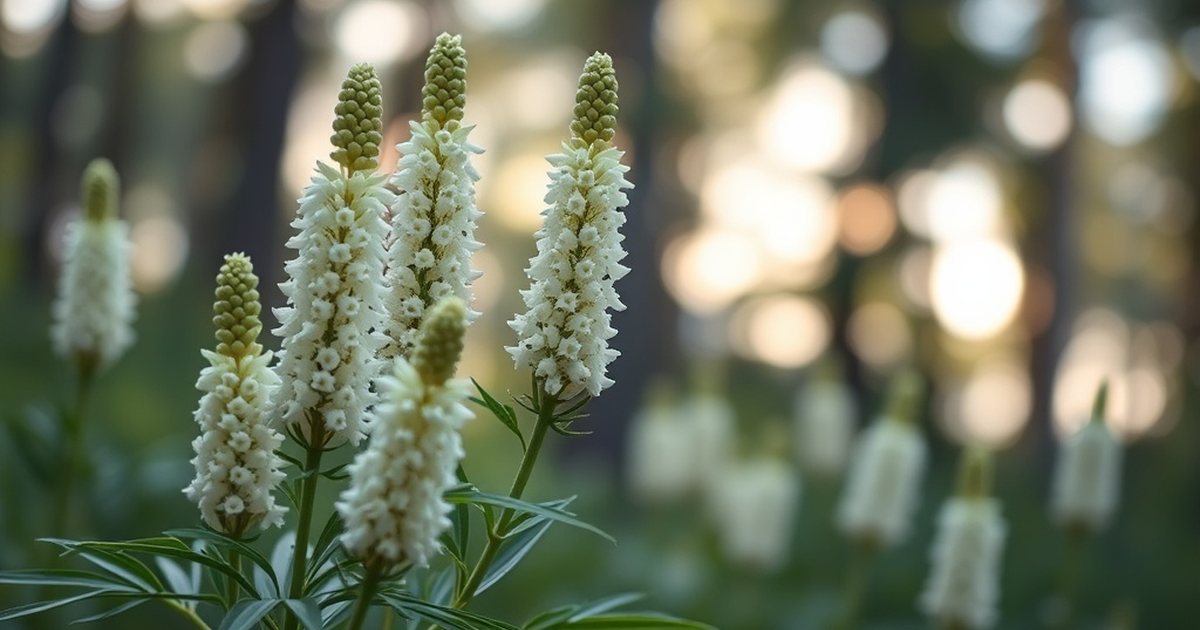
Black cohosh, scientifically known as Actaea racemosa (formerly Cimicifuga racemosa), is a perennial plant native to North America. Its roots and rhizomes have been used for centuries in traditional Native American medicine, primarily for women’s health issues, including menstrual irregularities and menopausal symptoms.
The plant contains various compounds, including triterpene glycosides, phenolic acids, and alkaloids. Scientists believe these compounds contribute to its potential therapeutic effects, though the exact mechanisms are still under investigation.
Black Cohosh for Hot Flashes and Night Sweats
The most common reason women consider black cohosh is for relief from vasomotor symptoms like hot flashes and night sweats. Research in this area has been ongoing for decades, yielding a complex picture.
The Research Landscape
Some studies suggest black cohosh can reduce the frequency and severity of hot flashes, and the pooled analyses genuinely disagree with each other. One meta-analysis of nine randomized placebo-controlled trials calculated a 26 percent improvement in vasomotor symptoms, though with significant variation between the trials it combined [1]. A more recent pooled analysis of 22 studies covering 2,310 women found significant improvement in overall menopausal symptoms and in hot flashes specifically, while finding no effect on anxiety or depression [2].
However, the two largest and most rigorous efforts both came out negative, which is why this remains genuinely unsettled rather than merely mixed. A Cochrane review pooling 16 randomized trials across 2,027 women found no significant difference from placebo in hot flush frequency, a difference of 0.07 flushes per day, and concluded there is insufficient evidence to support using black cohosh for menopausal symptoms [3]. A one-year randomized trial of 351 women found no difference from placebo at three, six or twelve months, while hormone therapy in the same trial reduced symptoms by roughly four per day; its authors concluded black cohosh shows little potential as an important therapy [4]. The honest summary is that the smaller pooled analyses lean positive and the largest placebo-controlled trials do not.
Proposed Mechanisms
Initially, black cohosh was thought to act as a phytoestrogen, mimicking estrogen in the body. However, current research largely refutes this idea.
Instead, evidence suggests black cohosh may exert its effects through selective modulation of serotonin receptors in the brain. In the laboratory work behind that idea, a standardized extract showed no estrogenic or antiestrogenic activity in ovariectomized rats, but bound the 5-HT1A, 5-HT1D and 5-HT7 receptor subtypes and behaved as a partial agonist at 5-HT7 [5]. That evidence is preclinical, so it explains a plausible route rather than proving the effect in people. This could influence the body’s thermoregulatory center, potentially explaining its impact on hot flashes without directly affecting estrogen levels.

Important Considerations
The efficacy of black cohosh may depend on the specific extract used and its standardization. Differences in preparation and dosage across studies contribute to the varied outcomes observed.
It’s also important to note that black cohosh typically takes several weeks to show potential benefits. Immediate relief should not be expected.
Impact on Mood Changes and Sleep Quality
Beyond hot flashes, perimenopause often brings mood fluctuations, irritability, and disrupted sleep. Some women hope black cohosh might offer relief for these associated symptoms.
Addressing Mood Symptoms
Evidence regarding black cohosh’s direct impact on mood is less robust than for hot flashes. Some studies have noted improvements in mood scores, but these often occur in conjunction with reduced hot flashes and improved sleep.
It’s possible that by alleviating the distress of vasomotor symptoms, black cohosh indirectly improves overall well-being and mood. Direct anxiolytic or antidepressant effects are not consistently supported by current research.
Improving Sleep Quality
Night sweats are a significant contributor to poor sleep during perimenopause. If black cohosh can reduce night sweats, it logically follows that sleep quality might improve.
Some clinical trials have reported subjective improvements in sleep quality among participants using black cohosh. However, these findings are often secondary to improvements in hot flashes and not necessarily indicative of a direct sleep-promoting effect of the herb itself.
Bone Health and Vaginal Dryness: Limited Evidence
Unlike estrogen, which plays a crucial role in bone density and vaginal health, black cohosh does not appear to offer significant benefits in these areas.
Bone Mineral Density
Studies investigating black cohosh’s effect on bone mineral density have generally found no significant positive impact. It is not considered a viable alternative to hormone therapy or other established treatments for preventing or managing osteoporosis.

Vaginal Atrophy
Similarly, black cohosh has not been shown to effectively alleviate symptoms of vaginal dryness or atrophy. The one-year trial that looked for exactly this measured vaginal cytology, dryness and reproductive hormone levels and found no difference from placebo, while hormone therapy in the same trial did improve them [6]. These symptoms are directly linked to declining estrogen levels, and black cohosh’s non-estrogenic mechanism means it does not address this underlying cause.
Black Cohosh vs. Other Natural Approaches
When considering natural relief, black cohosh is one of many options. Here’s a brief comparison with other commonly discussed herbs for perimenopausal symptoms:
| Herb/Approach | Primary Symptoms Targeted | Evidence Level (for menopause) | Key Mechanism (Proposed) |
|---|---|---|---|
| Black Cohosh (Actaea racemosa) | Hot flashes, night sweats | Mixed, some positive for certain extracts | Serotonergic modulation (non-estrogenic) |
| Red Clover (Trifolium pratense) | Hot flashes, night sweats | Mixed, some positive for certain extracts | Phytoestrogenic (isoflavones) |
| Soy Isoflavones | Hot flashes, night sweats | Mixed, modest effect for some women | Phytoestrogenic |
| Evening Primrose Oil (Oenothera biennis) | Hot flashes (less conclusive) | Limited, generally not supported | Gamma-linolenic acid (GLA) |
| Ginseng (various species) | Mood, energy, general well-being | Mixed, not primary for hot flashes | Adaptogenic, neuroendocrine effects |
It is crucial to remember that “natural” does not always mean “safe” or “effective” for everyone. Always discuss any herbal supplements with your healthcare provider.
Safety, Side Effects, and Drug Interactions
Black cohosh is generally considered safe for most women when used appropriately and for short periods (up to 6 months). However, potential side effects and interactions exist.
Potential Side Effects
Common side effects are usually mild and may include gastrointestinal upset, headache, and rash. More serious, though rare, side effects include liver damage.
The link between black cohosh and liver toxicity is controversial, with some cases reported but a clear causal relationship not definitively established across all products.
Drug Interactions
Black cohosh is often listed as interacting with blood thinners, statins and other drugs cleared by the liver, but that warning does not hold up against the human studies. Twenty-eight days of supplementation left CYP1A2, CYP2E1 and CYP3A4/5 activity unchanged and inhibited CYP2D6 by about 7 percent, an effect the researchers considered clinically irrelevant [7]. Another study gave 80 mg daily for two weeks and found no change in how quickly the body cleared midazolam, a standard probe for CYP3A activity [8]. A third found CYP2D6 inhibition for goldenseal but not for black cohosh [9]. The cautions worth keeping are about hormonal medication, tamoxifen especially, and about combining black cohosh with anything else that taxes the liver.
It’s essential to inform your doctor about all supplements you are taking, especially if you have pre-existing health conditions or are on prescription drugs.
Who Should Avoid Black Cohosh?
Black cohosh is generally not recommended for pregnant or breastfeeding women. Individuals with liver disease, hormone-sensitive cancers (like breast cancer), or those taking tamoxifen should also avoid it or use it only under strict medical supervision.

Choosing a Quality Black Cohosh Supplement
The quality and standardization of black cohosh supplements vary widely. This variability can contribute to inconsistent study results and consumer experiences.
When looking for a supplement, prioritize products from reputable brands that adhere to good manufacturing practices (GMP). Look for certifications from third-party testing organizations like USP or NSF International, which verify purity and potency.
Consider the form of the supplement. Some research has focused on specific standardized extracts, such as those standardized to triterpene glycosides. Look for labels that clearly state the extract type and standardization.
You can find various options by searching for black cohosh extract supplements, standardized black cohosh capsules, or organic black cohosh root products on platforms like Amazon.
Conclusion: An Empathetic and Balanced Perspective
The evidence regarding black cohosh for perimenopausal symptoms, particularly hot flashes and night sweats, is mixed but holds promise for some women. It’s not a universal solution, and its efficacy can vary depending on the individual and the specific product used.
For those experiencing moderate to severe symptoms, black cohosh may be a reasonable option to explore, particularly if you are seeking non-hormonal approaches. However, it’s crucial to approach its use with realistic expectations and under the guidance of a healthcare professional.
Remember, your perimenopausal journey is unique. What works for one person may not work for another. Open communication with your doctor about your symptoms and treatment preferences is always the best path forward.
Frequently Asked Questions About Black Cohosh
[accordions]
[accordion title=”How long does black cohosh take to work?”]
Black cohosh typically takes several weeks, often 4 to 8 weeks, to show its potential effects. It is not an immediate relief solution.
[/accordion]
[accordion title=”Can black cohosh raise estrogen levels?”]
Current research indicates that black cohosh does not act as a phytoestrogen and does not significantly raise estrogen levels in the body. Its mechanisms are believed to be non-estrogenic.
[/accordion]
[accordion title=”Is black cohosh safe for long-term use?”]
Most studies on black cohosh have been for durations up to 6 months. Long-term safety beyond this period is not as well-established, and it’s generally recommended for short to medium-term use under medical supervision.
[/accordion]
[accordion title=”Can I take black cohosh with other medications?”]
Black cohosh can interact with certain medications, including blood thinners and some liver-metabolized drugs. Always consult your healthcare provider before combining black cohosh with any prescription medications.
[/accordion]
[accordion title=”What’s the best form of black cohosh to take?”]
Look for standardized extracts, often standardized to triterpene glycosides, from reputable brands with third-party certifications. The specific extract used in various studies (e.g., Remifemin) has shown consistent results.
[/accordion]
[accordion title=”Does black cohosh help with weight gain during perimenopause?”]
There is no scientific evidence to suggest that black cohosh directly influences weight gain or loss during perimenopause. Weight management during this time is complex and often related to lifestyle factors.
[/accordion]
[/accordions]
These statements have not been evaluated by the FDA. This product is not intended to diagnose, treat, cure, or prevent any disease.
References
- Efficacy of black cohosh-containing preparations on menopausal symptoms: a meta-analysis.. Alternative therapies in health and medicine, 2010
- Black cohosh extracts in women with menopausal symptoms: an updated pairwise meta-analysis.. Menopause (New York, N.Y.), 2023
- Black cohosh (Cimicifuga spp.) for menopausal symptoms.. The Cochrane database of systematic reviews, 2012
- Treatment of vasomotor symptoms of menopause with black cohosh, multibotanicals, soy, hormone therapy, or placebo: a randomized trial.. Annals of internal medicine, 2006
- Black cohosh acts as a mixed competitive ligand and partial agonist of the serotonin receptor.. Journal of agricultural and food chemistry, 2003
- Vaginal, endometrial, and reproductive hormone findings: randomized, placebo-controlled trial of black cohosh, multibotanical herbs, and dietary soy for vasomotor symptoms: the Herbal Alternatives for Menopause (HALT) Study.. Menopause (New York, N.Y.), 2008
- In vivo effects of goldenseal, kava kava, black cohosh, and valerian on human cytochrome P450 1A2, 2D6, 2E1, and 3A4/5 phenotypes.. Clinical pharmacology and therapeutics, 2005
- Assessing the clinical significance of botanical supplementation on human cytochrome P450 3A activity: comparison of a milk thistle and black cohosh product to rifampin and clarithromycin.. Journal of clinical pharmacology, 2006
- Clinical assessment of CYP2D6-mediated herb-drug interactions in humans: effects of milk thistle, black cohosh, goldenseal, kava kava, St. John’s wort, and Echinacea.. Molecular nutrition & food research, 2008
These statements have not been evaluated by the Food and Drug Administration. This information is not intended to diagnose, treat, cure, or prevent any disease. Content is for informational purposes only and is not medical advice; consult a qualified healthcare provider before starting any supplement. As an Amazon Associate we earn from qualifying purchases.
