Navigating menopause often involves exploring various options to manage symptoms like hot flashes and night sweats. Black cohosh (Cimicifuga racemosa) is a botanical supplement that many women consider. When thinking about incorporating it into your routine, a common and important question arises: how long can you safely take black cohosh?
This article will explore the available evidence regarding the duration of black cohosh use for menopause symptom management. We’ll discuss what research suggests about its safety profile over different timeframes, helping you make informed decisions in consultation with your healthcare provider.
Short-Term Use of Black Cohosh: What the Evidence Suggests
Research on black cohosh for menopausal symptoms often involves studies lasting several weeks to a few months. For instance, some reviews indicate that black cohosh has been studied for its potential effects on hot flashes and other menopausal discomforts [1][2]. These shorter-term studies are frequently designed to assess initial effectiveness and immediate safety concerns.
Many clinical trials evaluating black cohosh’s impact on symptoms like hot flashes and mood disturbances typically range from 3 to 6 months [3]. Within these timeframes, black cohosh has been explored for its potential to help manage vasomotor symptoms [4]. The North American Menopause Society’s position statement in 2004 noted that some botanical preparations, including black cohosh, were being studied for menopausal vasomotor symptoms [4].
It’s worth noting that while some studies suggest potential benefits for certain symptoms, the overall evidence for its effectiveness can be mixed, and not all studies find a significant impact compared to placebo [1][2][5]. However, within the context of short-term use, serious adverse events are generally considered uncommon [6].
Longer-Term Use: Exploring Safety and Efficacy Beyond Six Months
When considering black cohosh for longer periods, the body of evidence becomes somewhat less extensive compared to short-term studies. One trial is usually cited at this point, and it is worth reading carefully: a 2006 double-blind study followed 62 postmenopausal women for twelve weeks, not twelve months, comparing black cohosh against both placebo and conjugated estrogens. Within those twelve weeks it found no significant effects on liver enzymes or coagulation markers, and the extract was well tolerated [7]. That is genuinely reassuring for a three-month course. It is not evidence about a year, and it should not be read as covering use beyond six months [7].
One trial does run the full year, and it belongs on this page. A randomized, double-blind, placebo-controlled trial published in 2006 followed 351 women aged 45 to 55, each with at least two vasomotor symptoms a day, for twelve months, testing black cohosh at 160 mg daily against placebo and against hormone therapy. Black cohosh did not differ from placebo in symptom frequency or symptom intensity at three months, at six months, or at twelve months, and the difference between placebo and any of the herbal arms stayed under one symptom per day at every time point, while hormone therapy in the same trial reduced symptoms by about four per day. The authors concluded that black cohosh shows little potential as an important therapy for vasomotor symptoms [11]. A limitation the authors state themselves is that differences smaller than one and a half symptoms per day could not be ruled out, so this is evidence of no meaningful benefit rather than proof of none at all. Either way it is the answer to the question this page asks: twelve months of black cohosh has been tested against placebo, and twelve months of it did not beat placebo.
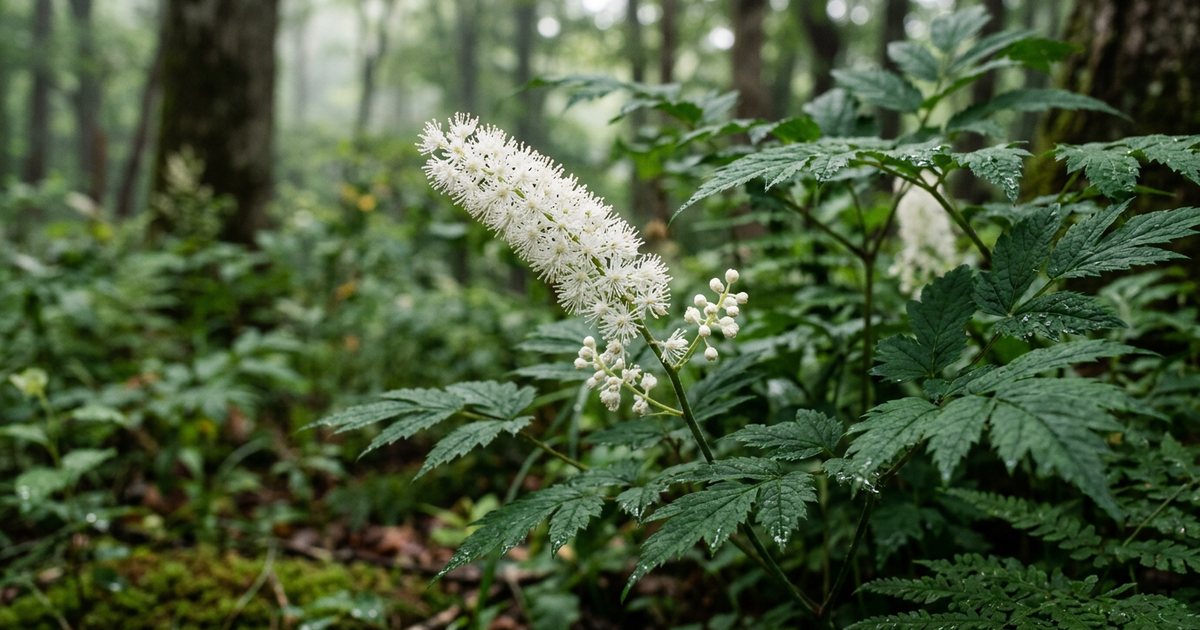

A review of alternative therapies for menopausal symptoms is blunter about the state of that evidence base. It characterized the black cohosh trials as small, of limited duration and of poor methodological quality, found their results conflicting, and concluded that it is unclear whether black cohosh is more effective than placebo at all, while calling for much larger and longer studies to detect infrequent but potentially serious adverse events [5]. That is the honest shape of the long-term picture: the shortage is not of enthusiasm but of long, adequately powered trials, and participant numbers and formulations vary enough between the trials we do have that generalizing from any single one is risky.
It is generally recommended that if you are considering using black cohosh for an extended period, you do so under the guidance of a healthcare professional. This allows for monitoring of any potential effects and ensures that it remains an appropriate option for your individual health circumstances.
Considerations for Extended Black Cohosh Use and Liver Health
One area of particular interest for those considering extended black cohosh use is its potential impact on liver health. While liver-related adverse events are considered rare, there have been case reports of liver issues associated with black cohosh products [6]. It’s crucial to understand that a direct causal link between black cohosh and liver damage has not been definitively established in all cases, as many factors can contribute to liver health.
Some comprehensive reviews on black cohosh safety highlight that liver toxicity is a concern that warrants careful consideration, especially with prolonged use [6]. The National Toxicology Program conducted studies on black cohosh root extract in rats and mice, which provide data on its toxicology, though animal study findings do not always directly translate to humans [8].

If you have a history of liver conditions or are taking medications that affect liver function, discussing black cohosh use with your doctor is especially important. Regular monitoring of liver enzymes may be recommended if you choose to use black cohosh for an extended duration.
Specific Populations and Duration of Use
The duration of black cohosh use may also be influenced by individual health conditions. For example, women who have experienced breast cancer and are seeking options for hot flashes have sometimes explored black cohosh. A 2003 randomized trial also ran a full twelve months, and it reported more than tolerability: 136 breast cancer survivors aged 35 to 52, all on adjuvant tamoxifen, took black cohosh (CR BNO 1055) for twelve months, and hot flashes were both less frequent and less severe than with tamoxifen alone. Almost half of the black cohosh group became free of hot flashes, and severe hot flashes were reported by 24.4% of them against 73.9% of the tamoxifen-only group [9]. Two caveats belong with that number: the trial was open-label, and this was an off-label use in a specific population rather than a general menopause trial. However, specialized medical guidance is always essential for individuals with complex health histories.
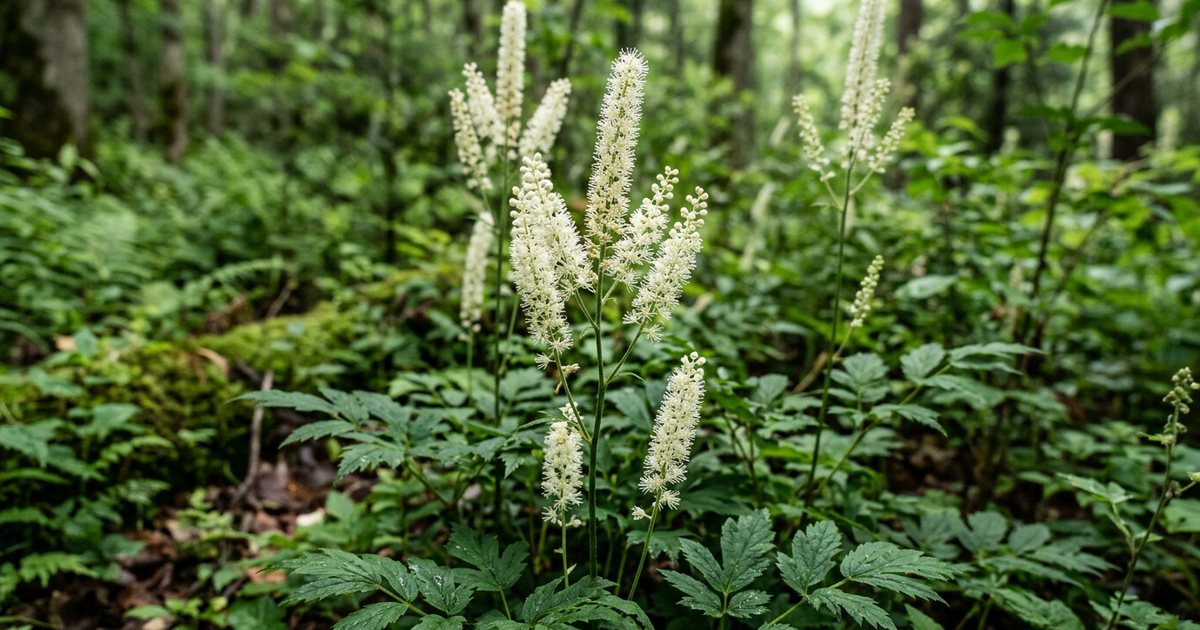
Other research has investigated black cohosh in the context of bone health. A 2010 study examined the effects of black cohosh on metaphyseal fracture healing in ovariectomized rats, suggesting potential effects on bone in an animal model [10]. While not directly about duration of use in humans, it highlights the breadth of research areas for this botanical.
Given the varied nature of menopausal experiences and individual health profiles, there is no universal recommendation for the exact maximum duration for everyone. Personal health status, concurrent medications, and the presence of other medical conditions all play a role in determining an appropriate timeframe for black cohosh use.
References
- Botanical and dietary supplements for menopausal symptoms: what works, what does not. Journal of women’s health (2002), 2005
- Complementary and alternative medicine for menopausal symptoms: a review of randomized, controlled trials. Annals of internal medicine, 2002
- Menopause: a review of botanical dietary supplements. The American journal of medicine, 2005
- Treatment of menopause-associated vasomotor symptoms: position statement of The North American Menopause Society. Menopause (New York, N.Y.), 2004
- Review of alternative therapies for treatment of menopausal symptoms. Climacteric : the journal of the International Menopause Society, 2003
- Exploring the Efficacy and Safety of Black Cohosh (Cimicifuga racemosa) in Menopausal Symptom Management. Journal of mid-life health, 2024
- Effects of black cohosh (Cimicifuga racemosa) on bone turnover, vaginal mucosa, and various blood parameters in postmenopausal women: a double-blind, placebo-controlled, and conjugated estrogens-controlled study. Menopause (New York, N.Y.), 2006
- Toxicology and carcinogenesis studies of black cohosh root extract (CASRN 84776-26-1) administered by gavage to Sprague Dawley (Hsd:Sprague Dawley SD) rats and female B6C3F1/N mice. National Toxicology Program technical report series, 2023
- Cimicifuga racemosa for the treatment of hot flushes in women surviving breast cancer. Maturitas, 2003
- Effects of black cohosh (Cimicifuga racemosa) and estrogen on metaphyseal fracture healing in the early stage of osteoporosis in ovariectomized rats. Planta medica, 2010
- Treatment of vasomotor symptoms of menopause with black cohosh, multibotanicals, soy, hormone therapy, or placebo: a randomized trial. Annals of internal medicine, 2006
These statements have not been evaluated by the Food and Drug Administration. This information is not intended to diagnose, treat, cure, or prevent any disease. Content is for informational purposes only and is not medical advice; consult a qualified healthcare provider before starting any supplement. As an Amazon Associate we earn from qualifying purchases.
