Navigating the supplement market can be challenging, especially when seeking natural options for midlife and menopause support. Black cohosh (Actaea racemosa, also known as Cimicifuga racemosa) is a widely used botanical, but the quality of available supplements can vary significantly. Understanding factors like purity, potency, and potential contamination is key to making informed choices.
This article will explore the complexities of black cohosh supplement quality, drawing on scientific evidence to highlight common issues and the methods used to ensure product integrity. Our aim is to provide clear, evidence-based information to help you understand what to look for when choosing a black cohosh product.
The Importance of Botanical Identity: Ensuring You Get True Black Cohosh
A foundational aspect of black cohosh supplement quality is ensuring that the product actually contains Actaea racemosa. Misidentification or intentional adulteration with other species of cohosh, or even entirely different plants, is a recognized concern in the botanical supplement industry [1]. Several species closely related to black cohosh, such as Cimicifuga foetida, C. heracleifolia, C. dahurica, and C. americana, have been identified as potential adulterants [2].
Distinguishing true black cohosh from these related species is crucial because their chemical profiles and potential effects may differ. Researchers employ various advanced techniques to verify botanical identity. These include phytochemical fingerprinting, which analyzes the unique chemical compounds present in the plant [3], and genetic analyses, which examine the plant’s DNA [4]. High-performance liquid chromatography (HPLC) combined with detection methods like mass spectrometry can also differentiate Cimicifuga species, aiding in quality control [5]. Hyperspectral imaging, when used with support vector machine analysis, has also shown promise in differentiating Actaea racemosa from other cohosh species [6]. These sophisticated methods are vital for ensuring that consumers receive the specific botanical they intend to use.
The challenges of accurately identifying black cohosh underscore the need for manufacturers to implement rigorous quality control measures from the raw material stage through to the finished product. Without proper identification, the efficacy and safety profile of a black cohosh supplement could be compromised.
Understanding Adulteration and Substitution in Black Cohosh Products
Adulteration, where cheaper or incorrect ingredients are added or substituted, is a significant issue affecting black cohosh supplement quality. Studies have indicated that adulteration can occur with popular herbs, including black cohosh [1]. This can involve replacing black cohosh entirely or partially with other cohosh species that are less expensive or more readily available [2].
The presence of adulterants not only reduces the amount of genuine black cohosh but can also introduce compounds with unknown or different effects. For example, some related Cimicifuga species have distinct chemical compositions compared to Actaea racemosa [3]. Detecting such adulteration requires advanced analytical techniques like phytochemical fingerprinting, genetic analysis, and various chromatographic methods [3][4][2]. Manufacturers committed to quality will utilize these methods to confirm the purity of their black cohosh raw materials and finished products.
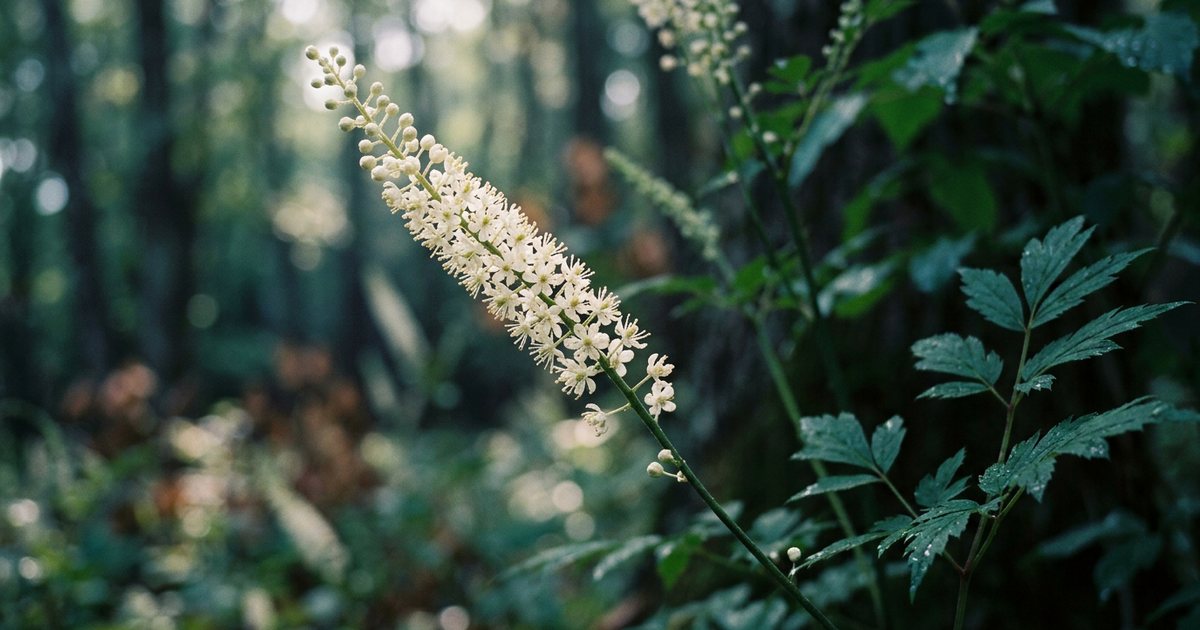

Consumers seeking black cohosh for its specific benefits, such as supporting perimenopausal women with arterial hypertension [7] or addressing climacteric complaints [8], rely on accurate product labeling. Adulteration undermines this trust and can lead to products that do not deliver the expected support.
Potency and Active Compounds: Ensuring Adequate Concentrations
Beyond botanical identity and purity, the potency of a black cohosh supplement is crucial. Potency refers to the concentration of the beneficial compounds within the product. Black cohosh contains a complex mixture of constituents, including triterpene glycosides and phenolic compounds, which are thought to contribute to its effects [9][10]. The specific profile and quantity of these compounds can vary based on factors like the plant’s growing conditions, harvest time, and processing methods.
Standardization is a common approach to ensure consistent potency across different batches of a supplement. While there isn’t one universally agreed-upon ‘active compound’ for black cohosh, many products are standardized to triterpene glycosides. However, it’s important to recognize that the overall synergistic effect of the plant’s diverse compounds may be more relevant than any single constituent [9].
Reputable manufacturers will conduct assays to quantify key compounds in their black cohosh extracts, ensuring that the finished product delivers a consistent and meaningful dose. This helps to ensure that the product aligns with what has been studied in research settings regarding its potential to support women’s health [9].
Contamination Concerns: Heavy Metals, Pesticides, and Microbes
Another critical aspect of supplement quality involves potential contaminants. Like any agricultural product, black cohosh can be susceptible to contamination from heavy metals, pesticides, and microbial agents if not cultivated and processed carefully. Heavy metals can accumulate in plants from contaminated soil or water, while pesticides may be used during cultivation. Microbial contamination can occur during harvesting, drying, or processing if hygiene standards are not met.

Testing for these contaminants is an essential part of quality control. Manufacturers should conduct rigorous testing for heavy metals such as lead, mercury, arsenic, and cadmium, as well as for common pesticide residues. Microbial testing, including for bacteria like E. coli and Salmonella, and molds, helps ensure the product is safe for consumption.
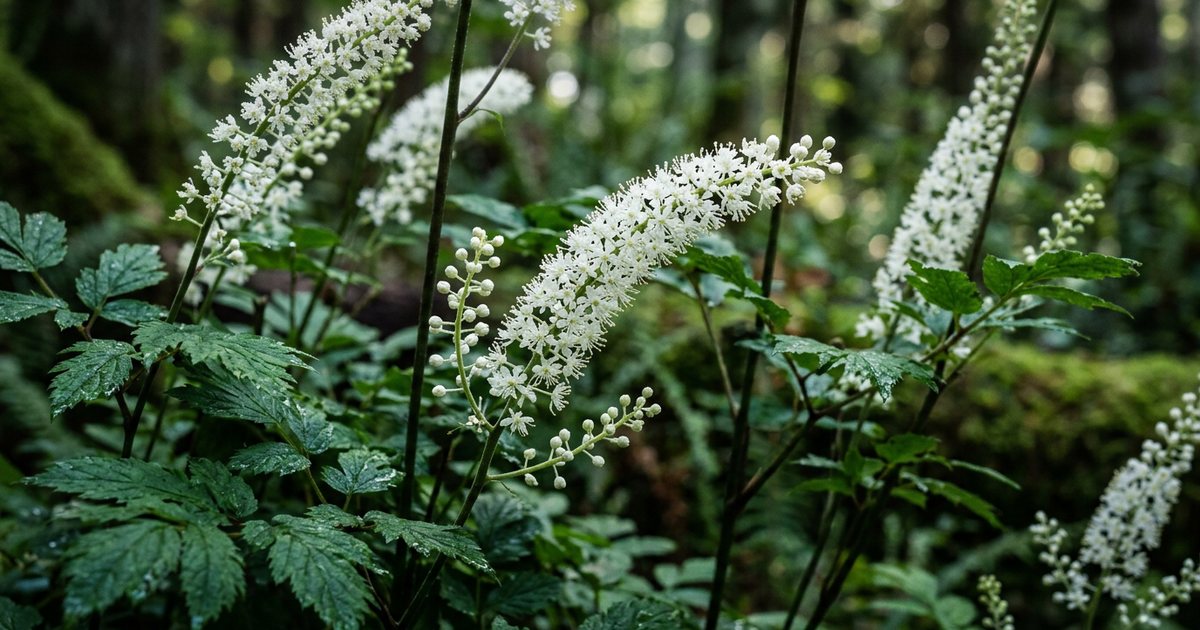
Choosing products from companies that openly discuss their testing protocols for contaminants can provide greater assurance of safety and purity. These measures are fundamental to delivering a black cohosh supplement that is not only effective but also free from harmful substances.
Identifying High-Quality Black Cohosh Supplements
Given the complexities of black cohosh supplement quality, how can consumers identify reputable products? Look for manufacturers who are transparent about their sourcing, manufacturing processes, and quality control measures. Companies that provide third-party testing results for purity, potency, and contaminants offer an additional layer of assurance.
Certifications from independent organizations can also indicate a commitment to quality. While not all good products carry such certifications, they can be helpful indicators. Furthermore, understanding the scientific names (Actaea racemosa or Cimicifuga racemosa) on product labels helps confirm the correct botanical identity [8].
Ultimately, an informed approach involves researching brands, reading product labels carefully, and prioritizing manufacturers who demonstrate a clear dedication to scientific validation and rigorous quality standards for their black cohosh offerings.
References
- Estimating the extent of adulteration of the popular herbs black cohosh, echinacea, elder berry, ginkgo, and turmeric – its challenges and limitations. Natural product reports, 2024
- Rapid high-performance thin-layer chromatographic method for detection of 5% adulteration of black cohosh with Cimicifuga foetida, C. heracleifolia, C. dahurica, or C. americana. Journal of AOAC International, 2008
- Phytochemical fingerprinting to thwart black cohosh adulteration: a 15 Actaea species analysis. Phytochemical analysis : PCA, 2011
- Evaluation of the botanical origin of black cohosh products by genetic and chemical analyses. Biological & pharmaceutical bulletin, 2014
- Cimicifuga species identification by high performance liquid chromatography-photodiode array/mass spectrometric/evaporative light scattering detection for quality control of black cohosh products. Journal of chromatography. A, 2006
- Hyperspectral Imaging and Support Vector Machine: A Powerful Combination to Differentiate Black Cohosh (Actaea racemosa) from Other Cohosh Species. Planta medica, 2018
- Effects of cimicifuga racemosa on the hemodynamics parameters and quality of life in perimenopausal women with arterial hypertension. Wiadomosci lekarskie (Warsaw, Poland : 1960), 2018
- The non-estrogenic alternative for the treatment of climacteric complaints: Black cohosh (Cimicifuga or Actaea racemosa). The Journal of steroid biochemistry and molecular biology, 2014
- Benefits of Black Cohosh (Cimicifuga racemosa) for Women Health: An Up-Close and In-Depth Review. Pharmaceuticals (Basel, Switzerland), 2022
- Traditional uses, phytochemistry, pharmacology, quality control and clinical studies of Cimicifugae Rhizoma: a comprehensive review. Chinese medicine, 2024
These statements have not been evaluated by the Food and Drug Administration. This information is not intended to diagnose, treat, cure, or prevent any disease. Content is for informational purposes only and is not medical advice; consult a qualified healthcare provider before starting any supplement. As an Amazon Associate we earn from qualifying purchases.
