Some clinical trials have shown a moderate reduction in the frequency and severity of hot flashes with black cohosh supplementation. For example, a meta-analysis published in 2013, while acknowledging limitations, suggested a modest benefit compared to placebo for menopausal symptoms.
Conversely, other well-designed studies, including some large randomized controlled trials, have found no significant difference between black cohosh and placebo in alleviating hot flashes. This discrepancy can be attributed to several factors, including differences in study design, dosage, formulation of black cohosh used, and patient populations.
It is important to note that the effectiveness of herbal remedies can sometimes vary from person to person. What works well for one individual may not produce the same results for another, highlighting the complex nature of symptom management during perimenopause.
Beyond Hot Flashes: Other Potential Benefits
While hot flashes are the primary focus, some research and anecdotal evidence suggest black cohosh may offer relief for other perimenopausal symptoms.
Mood Changes and Sleep Disturbances
Perimenopause often brings about mood swings, irritability, and sleep disturbances, including insomnia. Some studies have explored black cohosh’s potential to improve these symptoms.
The proposed influence of black cohosh on serotonin pathways might explain any observed improvements in mood. Similarly, by reducing the frequency of night sweats, black cohosh could indirectly lead to better sleep quality.
However, evidence for these benefits is less robust than for hot flashes and often comes from studies where mood and sleep were secondary endpoints. More targeted research is needed to confirm these effects.
Vaginal Dryness
Vaginal dryness is another common perimenopausal symptom. While some users report improvement, scientific evidence directly linking black cohosh to significant relief of vaginal dryness is limited. Localized estrogen therapies or other non-hormonal lubricants are typically more effective for this specific concern.
Safety and Side Effects of Black Cohosh
Black cohosh is generally considered safe for most women when taken appropriately and for a limited duration. However, like all supplements and medications, it carries potential side effects and contraindications.
Common Side Effects
The most commonly reported side effects are mild and include stomach upset, nausea, and headache. These are usually transient and may resolve with continued use or by taking the supplement with food.
Liver Concerns
Of greater concern are rare but serious reports of liver damage associated with black cohosh use. While a definitive causal link has not been established in all cases, regulatory bodies in several countries have issued warnings.
The quality and purity of black cohosh supplements can vary significantly, and some cases of liver toxicity might be due to product adulteration or contamination rather than the black cohosh itself. It is crucial to choose reputable brands and consult with a healthcare provider if you have pre-existing liver conditions or develop symptoms like dark urine, yellowing skin or eyes, or persistent abdominal pain.
Contraindications and Interactions
Black cohosh should be used with caution, or avoided entirely, by certain individuals:
Pregnancy and Breastfeeding: It is not recommended for use during pregnancy or breastfeeding due to insufficient safety data.
Hormone-Sensitive Conditions: While current research suggests black cohosh is not strongly estrogenic, women with hormone-sensitive conditions like breast cancer or uterine fibroids should exercise extreme caution and consult their oncologist before use.
Liver Disease: Individuals with a history of liver disease should avoid black cohosh or use it only under strict medical supervision.
Medication Interactions: Black cohosh may interact with certain medications, including blood thinners (like warfarin), statins, and some hormone therapies. Always discuss all supplements you are taking with your doctor or pharmacist.
Choosing a Quality Black Cohosh Supplement
Given the variability in product quality and the potential for adulteration, selecting a high-quality black cohosh supplement is paramount. Look for brands that adhere to rigorous manufacturing standards and provide transparent labeling.
Here are key factors to consider:
| Factor | Description |
|---|---|
| Standardized Extracts | Opt for products standardized to specific active compounds, such as triterpene glycosides, which indicates a consistent potency. |
| Third-Party Testing | Look for supplements that have been independently tested by organizations like USP (United States Pharmacopeia), NSF International, or ConsumerLab.com. These certifications verify purity, potency, and absence of contaminants. |
| Reputable Manufacturer | Choose brands with a long-standing reputation for quality and transparency in the herbal supplement industry. |
| Source of Raw Material | Some brands specify the origin of their black cohosh, which can indicate responsible sourcing and quality control. |
Product Types to Look For
When searching online for black cohosh supplements, you will encounter various forms. Consider these types:
Look for black cohosh standardized extract which ensures a consistent amount of active compounds in each dose. You might also consider organic black cohosh capsules if you prefer certified organic ingredients. For those who prefer liquid forms, black cohosh liquid tincture options are also available and can sometimes offer faster absorption.
Holistic Approaches to Perimenopause Management
While black cohosh may offer relief for some, it is important to remember that it is just one piece of a larger puzzle. A holistic approach to perimenopause management often yields the best results.
Consider incorporating lifestyle changes such as a balanced diet rich in fruits, vegetables, and whole grains. Regular physical activity, including strength training and cardiovascular exercise, can significantly improve mood, sleep, and overall well-being.
Stress reduction techniques like meditation, yoga, or deep breathing exercises can also be invaluable for managing mood swings and anxiety. Adequate sleep hygiene is crucial for combating fatigue and improving cognitive function during this transition.
Conclusion: An Informed Choice
Black cohosh holds a long history of traditional use and continues to be a popular natural option for perimenopausal symptoms, particularly hot flashes. While some studies show promising results, the evidence is not uniformly conclusive, and its exact mechanism of action is still being elucidated.
If you are considering black cohosh, approach it with a balanced perspective. Be honest with yourself about its potential benefits and limitations. Always prioritize consulting with your healthcare provider before starting any new supplement, especially if you have underlying health conditions or are taking other medications.
Your doctor can help you determine if black cohosh is a suitable option for your individual circumstances, discuss appropriate dosages, and monitor for any potential side effects. By staying informed and working with your healthcare team, you can confidently navigate your perimenopausal journey and find the most effective strategies for your well-being.
Frequently Asked Questions About Black Cohosh
How long does it take for black cohosh to work?
The effects of black cohosh are typically not immediate. Many women report noticing improvements in symptoms like hot flashes after 2 to 4 weeks of consistent use, with full benefits potentially seen after 8 to 12 weeks. Individual responses can vary.
What is the recommended dosage for black cohosh?
Standardized extracts are often recommended, with common dosages ranging from 20 mg to 40 mg of standardized extract (containing 1 mg of triterpene glycosides) taken once or twice daily. Always follow the dosage instructions on the product label or as advised by your healthcare provider.
Can black cohosh interact with birth control?
There is limited research on the interaction between black cohosh and hormonal birth control. While black cohosh is not considered strongly estrogenic, it is always best to discuss any herbal supplements with your doctor if you are taking hormonal contraceptives.
Is black cohosh safe for long-term use?
Most studies on black cohosh have been conducted for durations up to 6 months to 1 year. Long-term safety data beyond this period is less extensive. It is generally recommended to use black cohosh for the shortest duration necessary to manage symptoms and to periodically reassess its continued use with your healthcare provider.
Can men take black cohosh?
While black cohosh is primarily studied for women’s health, particularly menopausal symptoms, there is no specific contraindication for men. However, there is no scientific evidence to support its use for typical male health concerns, and it is not generally recommended for men.
Are there other natural alternatives to black cohosh for hot flashes?
Yes, other natural options include red clover, soy isoflavones, dong quai, and evening primrose oil. Lifestyle changes like diet, exercise, and stress management are also crucial. Discuss these alternatives with your healthcare provider to find the best fit for you.
These statements have not been evaluated by the FDA. This product is not intended to diagnose, treat, cure, or prevent any disease.
As you navigate the often turbulent waters of perimenopause, the search for effective relief from hot flashes, night sweats, and unpredictable mood swings can feel overwhelming. Many women, understandably, look beyond conventional pharmaceutical options, seeking natural alternatives that align with their desire for holistic well-being. Among these, black cohosh frequently emerges as a prominent contender, whispered about in online forums and recommended by friends.
But what exactly is black cohosh, and can it truly deliver on its promise of perimenopausal comfort? This comprehensive guide will explore the science behind this popular herb, examining its potential benefits, the research supporting (and sometimes refuting) its claims, and crucial safety considerations, helping you make an informed decision for your health journey in 2026.
BlackCohoshHub.com is a participant in the Amazon Services LLC Associates Program, an affiliate advertising program designed to provide a means for sites to earn advertising fees by linking to Amazon.com. We may earn a commission from qualifying purchases made through our links.
What is Black Cohosh (Actaea racemosa)?
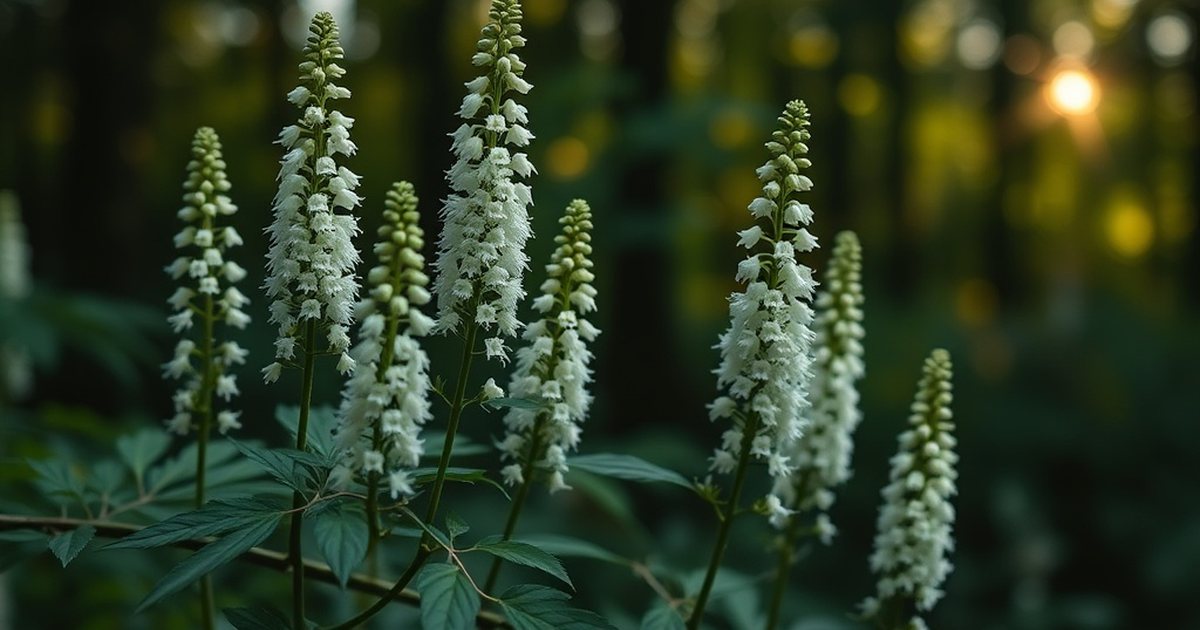
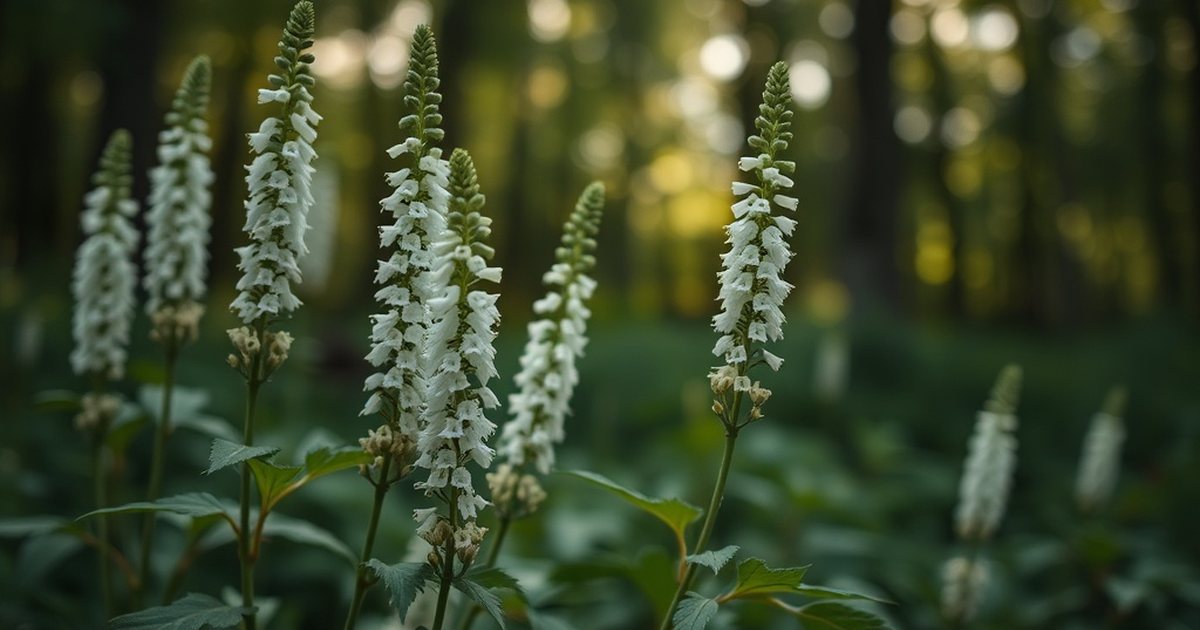
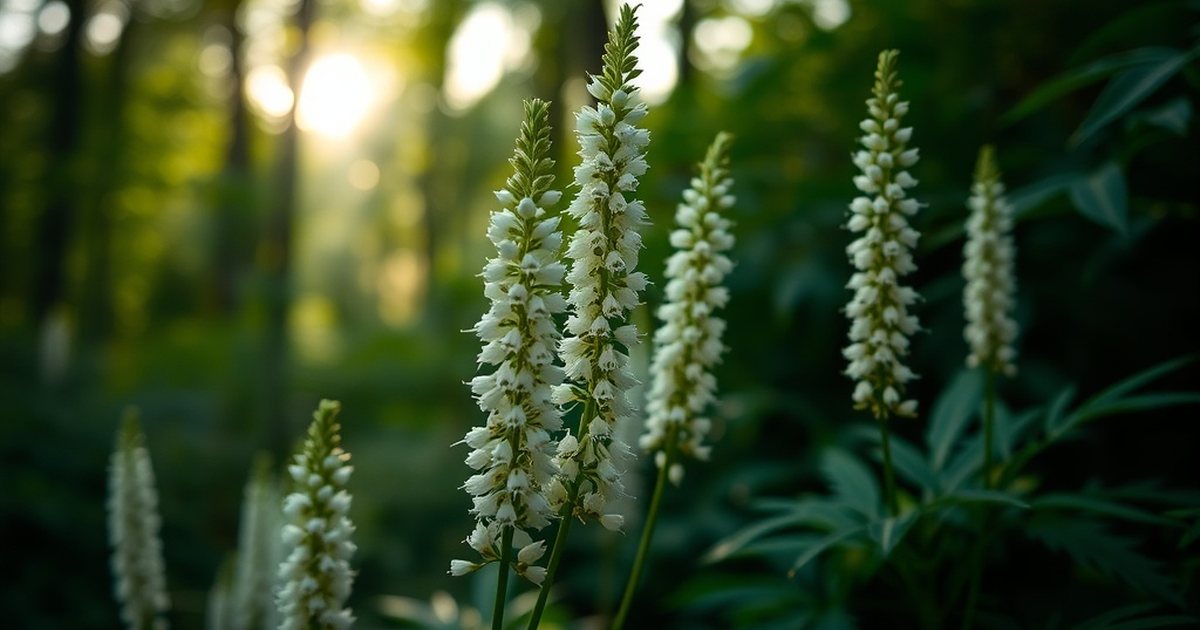
Black cohosh, scientifically known as Actaea racemosa (formerly Cimicifuga racemosa), is a perennial plant native to eastern North America. For centuries, Indigenous peoples have utilized its root and rhizome for various medicinal purposes, particularly for women’s health issues.
Historically, it was used for menstrual irregularities, easing childbirth, and addressing menopausal symptoms. Today, it is primarily recognized and researched for its potential role in alleviating hot flashes and other perimenopausal discomforts.
The Active Compounds in Black Cohosh
The therapeutic effects of black cohosh are believed to stem from a complex interplay of various compounds within the plant. These include triterpene glycosides, such as actein and cimicifugoside, as well as phenolic compounds and possibly phytoestrogens.
The exact mechanism by which black cohosh exerts its effects is not fully understood and remains a subject of ongoing scientific investigation. This complexity contributes to the varied findings seen in research studies.
How Might Black Cohosh Work for Perimenopause?
The traditional understanding was that black cohosh acted as a phytoestrogen, meaning it mimicked the effects of estrogen in the body. However, more recent research suggests this might not be the primary mechanism, or at least not the only one.
Current theories propose that black cohosh may influence neurotransmitters, such as serotonin, which play a role in thermoregulation and mood. It could also have anti-inflammatory or antioxidant properties.
Some studies indicate that certain compounds in black cohosh may selectively modulate estrogen receptors in specific tissues, offering a more nuanced effect than a general estrogenic action. This distinction is important for understanding its potential benefits and safety profile.
Black Cohosh and Hot Flashes: What the Research Says
The majority of research on black cohosh has focused on its efficacy for reducing hot flashes and night sweats, which are hallmark symptoms of perimenopause and menopause. The results across various studies have been mixed, leading to some debate within the scientific community.

Some clinical trials have shown a moderate reduction in the frequency and severity of hot flashes with black cohosh supplementation. For example, a meta-analysis published in 2013, while acknowledging limitations, suggested a modest benefit compared to placebo for menopausal symptoms.
Conversely, other well-designed studies, including some large randomized controlled trials, have found no significant difference between black cohosh and placebo in alleviating hot flashes. This discrepancy can be attributed to several factors, including differences in study design, dosage, formulation of black cohosh used, and patient populations.
It is important to note that the effectiveness of herbal remedies can sometimes vary from person to person. What works well for one individual may not produce the same results for another, highlighting the complex nature of symptom management during perimenopause.
Beyond Hot Flashes: Other Potential Benefits
While hot flashes are the primary focus, some research and anecdotal evidence suggest black cohosh may offer relief for other perimenopausal symptoms.
Mood Changes and Sleep Disturbances
Perimenopause often brings about mood swings, irritability, and sleep disturbances, including insomnia. Some studies have explored black cohosh’s potential to improve these symptoms.
The proposed influence of black cohosh on serotonin pathways might explain any observed improvements in mood. Similarly, by reducing the frequency of night sweats, black cohosh could indirectly lead to better sleep quality.
However, evidence for these benefits is less robust than for hot flashes and often comes from studies where mood and sleep were secondary endpoints. More targeted research is needed to confirm these effects.
Vaginal Dryness
Vaginal dryness is another common perimenopausal symptom. While some users report improvement, scientific evidence directly linking black cohosh to significant relief of vaginal dryness is limited. Localized estrogen therapies or other non-hormonal lubricants are typically more effective for this specific concern.
Safety and Side Effects of Black Cohosh
Black cohosh is generally considered safe for most women when taken appropriately and for a limited duration. However, like all supplements and medications, it carries potential side effects and contraindications.
Common Side Effects
The most commonly reported side effects are mild and include stomach upset, nausea, and headache. These are usually transient and may resolve with continued use or by taking the supplement with food.
Liver Concerns
Of greater concern are rare but serious reports of liver damage associated with black cohosh use. While a definitive causal link has not been established in all cases, regulatory bodies in several countries have issued warnings.
The quality and purity of black cohosh supplements can vary significantly, and some cases of liver toxicity might be due to product adulteration or contamination rather than the black cohosh itself. It is crucial to choose reputable brands and consult with a healthcare provider if you have pre-existing liver conditions or develop symptoms like dark urine, yellowing skin or eyes, or persistent abdominal pain.

Contraindications and Interactions
Black cohosh should be used with caution, or avoided entirely, by certain individuals:
Pregnancy and Breastfeeding: It is not recommended for use during pregnancy or breastfeeding due to insufficient safety data.
Hormone-Sensitive Conditions: While current research suggests black cohosh is not strongly estrogenic, women with hormone-sensitive conditions like breast cancer or uterine fibroids should exercise extreme caution and consult their oncologist before use.
Liver Disease: Individuals with a history of liver disease should avoid black cohosh or use it only under strict medical supervision.
Medication Interactions: Black cohosh may interact with certain medications, including blood thinners (like warfarin), statins, and some hormone therapies. Always discuss all supplements you are taking with your doctor or pharmacist.
Choosing a Quality Black Cohosh Supplement
Given the variability in product quality and the potential for adulteration, selecting a high-quality black cohosh supplement is paramount. Look for brands that adhere to rigorous manufacturing standards and provide transparent labeling.
Here are key factors to consider:
| Factor | Description |
|---|---|
| Standardized Extracts | Opt for products standardized to specific active compounds, such as triterpene glycosides, which indicates a consistent potency. |
| Third-Party Testing | Look for supplements that have been independently tested by organizations like USP (United States Pharmacopeia), NSF International, or ConsumerLab.com. These certifications verify purity, potency, and absence of contaminants. |
| Reputable Manufacturer | Choose brands with a long-standing reputation for quality and transparency in the herbal supplement industry. |
| Source of Raw Material | Some brands specify the origin of their black cohosh, which can indicate responsible sourcing and quality control. |
Product Types to Look For
When searching online for black cohosh supplements, you will encounter various forms. Consider these types:
Look for black cohosh standardized extract which ensures a consistent amount of active compounds in each dose. You might also consider organic black cohosh capsules if you prefer certified organic ingredients. For those who prefer liquid forms, black cohosh liquid tincture options are also available and can sometimes offer faster absorption.

Holistic Approaches to Perimenopause Management
While black cohosh may offer relief for some, it is important to remember that it is just one piece of a larger puzzle. A holistic approach to perimenopause management often yields the best results.
Consider incorporating lifestyle changes such as a balanced diet rich in fruits, vegetables, and whole grains. Regular physical activity, including strength training and cardiovascular exercise, can significantly improve mood, sleep, and overall well-being.
Stress reduction techniques like meditation, yoga, or deep breathing exercises can also be invaluable for managing mood swings and anxiety. Adequate sleep hygiene is crucial for combating fatigue and improving cognitive function during this transition.
Conclusion: An Informed Choice
Black cohosh holds a long history of traditional use and continues to be a popular natural option for perimenopausal symptoms, particularly hot flashes. While some studies show promising results, the evidence is not uniformly conclusive, and its exact mechanism of action is still being elucidated.
If you are considering black cohosh, approach it with a balanced perspective. Be honest with yourself about its potential benefits and limitations. Always prioritize consulting with your healthcare provider before starting any new supplement, especially if you have underlying health conditions or are taking other medications.
Your doctor can help you determine if black cohosh is a suitable option for your individual circumstances, discuss appropriate dosages, and monitor for any potential side effects. By staying informed and working with your healthcare team, you can confidently navigate your perimenopausal journey and find the most effective strategies for your well-being.
Frequently Asked Questions About Black Cohosh
How long does it take for black cohosh to work?
The effects of black cohosh are typically not immediate. Many women report noticing improvements in symptoms like hot flashes after 2 to 4 weeks of consistent use, with full benefits potentially seen after 8 to 12 weeks. Individual responses can vary.
What is the recommended dosage for black cohosh?
Standardized extracts are often recommended, with common dosages ranging from 20 mg to 40 mg of standardized extract (containing 1 mg of triterpene glycosides) taken once or twice daily. Always follow the dosage instructions on the product label or as advised by your healthcare provider.
Can black cohosh interact with birth control?
There is limited research on the interaction between black cohosh and hormonal birth control. While black cohosh is not considered strongly estrogenic, it is always best to discuss any herbal supplements with your doctor if you are taking hormonal contraceptives.
Is black cohosh safe for long-term use?
Most studies on black cohosh have been conducted for durations up to 6 months to 1 year. Long-term safety data beyond this period is less extensive. It is generally recommended to use black cohosh for the shortest duration necessary to manage symptoms and to periodically reassess its continued use with your healthcare provider.
Can men take black cohosh?
While black cohosh is primarily studied for women’s health, particularly menopausal symptoms, there is no specific contraindication for men. However, there is no scientific evidence to support its use for typical male health concerns, and it is not generally recommended for men.
Are there other natural alternatives to black cohosh for hot flashes?
Yes, other natural options include red clover, soy isoflavones, dong quai, and evening primrose oil. Lifestyle changes like diet, exercise, and stress management are also crucial. Discuss these alternatives with your healthcare provider to find the best fit for you.
These statements have not been evaluated by the FDA. This product is not intended to diagnose, treat, cure, or prevent any disease.
These statements have not been evaluated by the Food and Drug Administration. This information is not intended to diagnose, treat, cure, or prevent any disease. Content is for informational purposes only and is not medical advice; consult a qualified healthcare provider before starting any supplement. As an Amazon Associate we earn from qualifying purchases.
