Ready to buy? Check current prices on Amazon and compare deals before you decide.
Navigating perimenopause can feel like an unpredictable journey, marked by sudden hot flashes, restless nights, and shifts in mood that can disrupt daily life. If you’re a woman between 40 and 55, you’ve likely explored various avenues for relief, and perhaps, like many, you’ve heard whispers about black cohosh as a natural ally. But with so many supplements on the market, how do you discern which one genuinely offers the best chance at easing these challenging symptoms?
This comprehensive guide aims to cut through the noise, providing an evidence-based ranking and review of black cohosh supplements for 2026. We’ll empower you with the knowledge to make an informed decision, focusing on quality, efficacy, and safety, so you can choose a supplement that truly supports your perimenopausal journey.
BlackCohoshHub.com is a participant in the Amazon Services LLC Associates Program, an affiliate advertising program designed to provide a means for sites to earn advertising fees by advertising and linking to Amazon.com. We may earn a commission from qualifying purchases made through our links, at no extra cost to you.
Understanding Black Cohosh: Actaea racemosa Explained
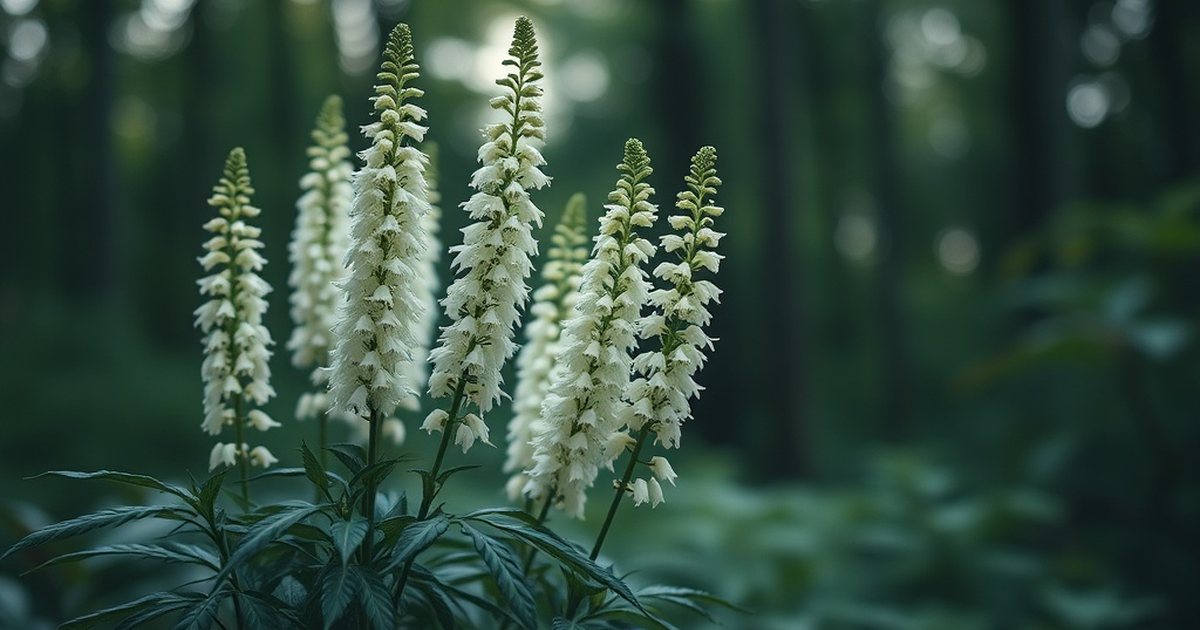
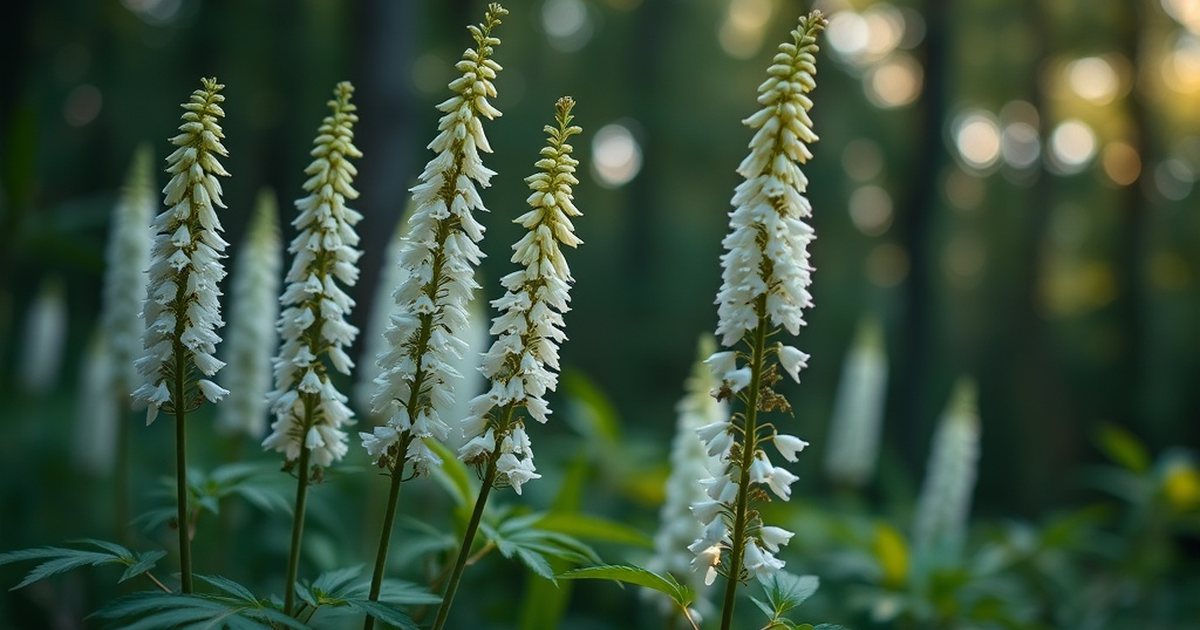
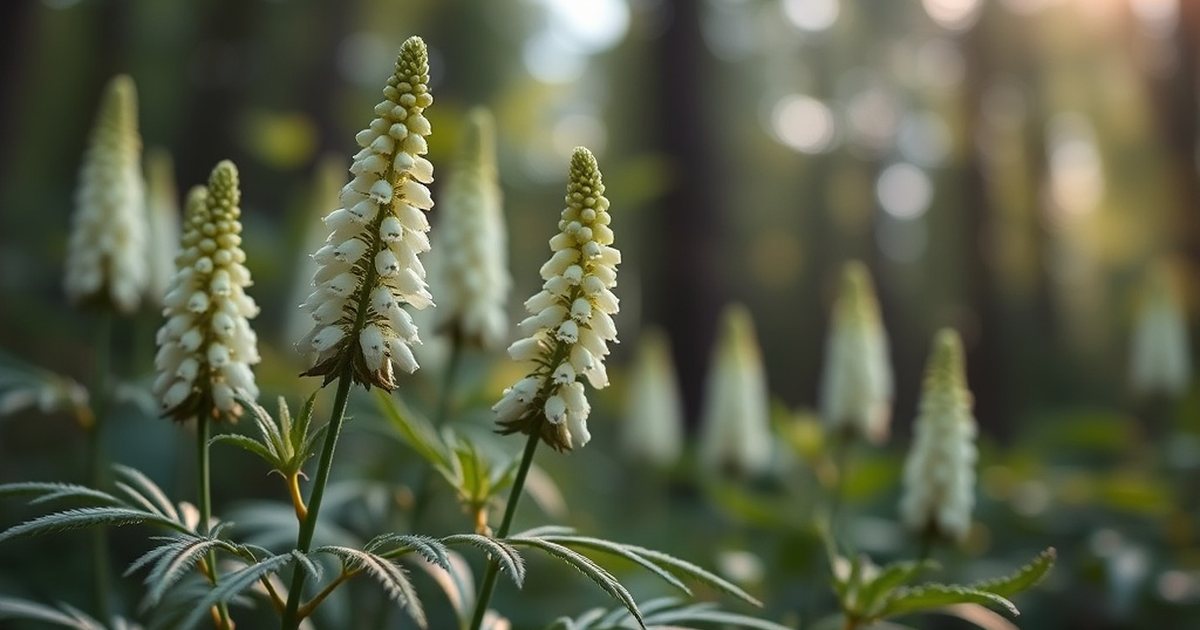
Black cohosh, scientifically known as Actaea racemosa, is a perennial plant native to North America. Historically, Native American tribes used its roots and rhizomes for various medicinal purposes, particularly for women’s health issues.
Today, it is primarily recognized for its potential role in alleviating perimenopausal and menopausal symptoms. Its traditional use has led to extensive scientific investigation into its mechanisms of action and clinical efficacy.
How Does Black Cohosh Work? Unpacking the Mechanisms
The exact mechanisms by which black cohosh exerts its effects are complex and not fully understood. Early theories suggested a phytoestrogenic action, meaning it might mimic estrogen in the body.
However, more recent research indicates that black cohosh likely acts through multiple pathways. These include modulating neurotransmitters like serotonin, which can influence mood and thermoregulation, and potentially interacting with opioid receptors.
Some studies also suggest it may have anti-inflammatory and antioxidant properties. This multi-faceted approach helps explain its potential utility beyond simple hormonal mimicry.
Black Cohosh for Perimenopause: Evidence for Hot Flashes, Night Sweats, and Mood
The scientific literature on black cohosh’s effectiveness for perimenopausal symptoms presents a mixed picture. While some studies show significant benefits, others report no difference compared to placebo.
This variability can be attributed to differences in study design, black cohosh preparations used, dosages, and the populations studied. It’s crucial to approach these findings with a balanced perspective.
Hot Flashes and Night Sweats
Several clinical trials have investigated black cohosh’s impact on vasomotor symptoms, which include hot flashes and night sweats. The pooled evidence is genuinely split, and it is worth knowing that the two largest placebo-controlled efforts are the negative ones. A Cochrane review pooled 16 randomised trials in 2,027 peri- and postmenopausal women and found no significant difference from placebo in hot flush frequency: a mean difference of 0.07 flushes per day (95% CI −0.43 to 0.56, P = 0.79)[1]. The year-long HALT trial, in 351 women, likewise found no difference at 3, 6 or 12 months, while hormone therapy in that same trial beat placebo by about four flushes per day[2].
A more recent pairwise meta-analysis, covering 22 studies in 2,310 women, did find a statistically significant benefit for hot flashes, though a small one (Hedges’ g = 0.315, P = 0.003), alongside no measurable effect on anxiety or depressive symptoms[3]. That is the honest shape of the evidence: a modest average effect that some reviews detect and others do not, rather than a settled result in either direction.

Reviewers across this literature consistently call for more high-quality trials of standardized preparations, which is the real state of the field rather than a verdict. The preparation most often cited in the positive studies is iCR (isopropanolic black cohosh extract), particularly brand-name formulations that adhere to specific extraction processes.
It’s important to manage expectations; black cohosh may offer relief for some women, but it is not a universal solution and its effects may not be as potent as conventional hormone therapy.
Mood Changes and Sleep Disturbances
Beyond vasomotor symptoms, perimenopause often brings mood swings, irritability, and sleep disturbances. Some research suggests black cohosh may positively influence these non-vasomotor symptoms.
Its potential interaction with serotonin pathways could explain improvements in mood, as serotonin plays a key role in emotional regulation. Studies have reported subjective improvements in mood and sleep quality in women using black cohosh, particularly when these symptoms are associated with hot flashes.
However, direct evidence specifically for black cohosh as a primary treatment for perimenopausal depression or severe anxiety is limited, and it should not replace conventional treatments for these conditions.
What to Look For in a High-Quality Black Cohosh Supplement
Given the variability in study results, choosing a quality black cohosh supplement is paramount. The efficacy and safety of a product are heavily dependent on its preparation, standardization, and purity.
Standardization and Extracts
Look for supplements that specify a standardized extract, ideally one that has been used in clinical trials. The isopropanolic extract (iCR) is frequently cited in research and is often associated with positive outcomes.
Standardization ensures that each dose contains a consistent amount of the active compounds, which is crucial for predictable effects. Without standardization, the potency can vary significantly between batches and brands.
Purity and Third-Party Testing
Adulteration and mislabeling are significant concerns in the supplement industry. Choose brands that demonstrate a commitment to purity through third-party testing.
Certifications from organizations like USP (United States Pharmacopeia), NSF International, or ConsumerLab.com indicate that a product has been independently verified for content, purity, and potency. This helps ensure you are getting black cohosh and not a different, potentially harmful, herb.
Dosage and Form
Typical dosages used in studies range from 20 mg to 40 mg of standardized extract daily. It is generally recommended to start with a lower dose and gradually increase if needed, under the guidance of a healthcare professional.

Black cohosh is commonly available in capsule or tablet form. Liquid extracts are also available but may vary more in consistency and dosage.
Safety and Side Effects of Black Cohosh
Black cohosh is generally considered safe for short-term use, typically up to 6 months. However, like all supplements, it is not without potential side effects or contraindications.
The most commonly reported side effects are mild gastrointestinal upset, headache, and rash. More serious concerns, though rare, include liver toxicity.
Liver Concerns
Cases of liver damage have been reported in people using products sold as black cohosh, and they are not all mild: the NIH LiverTox monograph describes more than fifty instances ranging from raised liver enzymes to acute liver failure requiring transplantation or ending in death, and assigns these products its strongest likelihood category as a well-established cause of clinically apparent liver injury, while noting that the specific responsible component is still unclear[4]. NIH counts at least 83 reported cases worldwide[5].
It is worth being precise about who has said what, because this is often reported loosely. The U.S. Food and Drug Administration does not require a liver warning on black cohosh labels. The cautionary statement is recommended by the United States Pharmacopeia, and Australia has required a label warning on these products since 2007[5].
It is crucial to discontinue use and consult a doctor if you experience symptoms like persistent fatigue, dark urine, yellowing of the skin or eyes, or abdominal pain. Individuals with pre-existing liver conditions should avoid black cohosh.
Drug Interactions and Contraindications
Black cohosh may interact with certain medications, including hormone therapies, blood thinners, and medications metabolized by the liver. Always consult your healthcare provider before starting black cohosh, especially if you are taking other prescription drugs or have underlying health conditions.
It is also contraindicated during pregnancy and breastfeeding, as its effects on fetal development and infants are unknown. Women with hormone-sensitive conditions, such as breast cancer, should also exercise extreme caution and seek medical advice.
Ranking Criteria for Best Black Cohosh Supplements (2026)
Our ranking of black cohosh supplements is based on a rigorous evaluation of several key factors. We prioritize evidence-based efficacy, safety, and transparency to help you make an informed choice.
Criteria Used:
- Standardized Extract: Preference for products using clinically studied extracts like iCR.
- Third-Party Testing: Verification of purity, potency, and absence of contaminants.
- Manufacturer Reputation: Brands with a history of quality control and transparency.
- Dosage Consistency: Clear labeling of active ingredients and recommended dosage.
- Ingredient Purity: Minimal fillers, artificial colors, or unnecessary additives.
- Customer Reviews (Balanced View): While not a primary scientific indicator, consistent positive experiences can be informative.
Comparison Table: Top Black Cohosh Supplements
While we cannot provide specific brand names or product URLs as of 2026 due to the dynamic nature of the market, this table outlines the ideal characteristics you should seek when purchasing.
| Feature | Ideal Characteristics to Look For | Why It Matters |
|---|---|---|
| Extract Type | Standardized Isopropanolic Extract (e.g., iCR) | Most research-backed for efficacy in symptom relief. |
| Standardization | Clearly states percentage of active compounds (e.g., triterpene glycosides) | Ensures consistent potency and predictable effects. |
| Third-Party Certification | USP Verified, NSF Certified, ConsumerLab.com Approved | Independent verification of purity, potency, and absence of contaminants. |
| Dosage | 20-40 mg per serving (based on standardized extract) | Aligns with dosages used in clinical studies. |
| Additional Ingredients | Minimal fillers; no artificial colors, flavors, or unnecessary additives | Reduces risk of allergic reactions or unwanted side effects. |
| Manufacturing Practices | GMP (Good Manufacturing Practices) certified facility | Indicates adherence to quality control standards. |
Where to Buy Black Cohosh Supplements (Amazon Affiliate Section)
When searching for black cohosh supplements, popular online retailers like Amazon offer a vast selection. To make an informed choice, consider filtering your search based on the quality criteria discussed.
Look for products labeled as “standardized black cohosh extract” to ensure consistent potency. You can also search for “third-party tested black cohosh” to find brands that prioritize independent verification of their product’s purity and content.

Additionally, consider searching for “black cohosh with GMP certification” to find supplements produced in facilities adhering to stringent manufacturing standards. Always check customer reviews for patterns of positive experiences, but prioritize scientific evidence and third-party certifications.
Conclusion: Navigating Your Perimenopause Journey with Black Cohosh
Black cohosh remains a popular natural option for women seeking relief from perimenopausal symptoms, particularly hot flashes and night sweats. While research offers a mixed but often promising view, the key to potential success lies in selecting a high-quality, standardized product.
Remember that individual responses to black cohosh can vary, and it is not a magic bullet. Always prioritize consulting with your healthcare provider before starting any new supplement, especially if you have underlying health conditions or are taking other medications.
By focusing on standardized extracts, third-party testing, and reputable manufacturers, you can make an empowered choice to support your well-being through perimenopause.
Frequently Asked Questions (FAQ)
How long does it take for black cohosh to work?
The effects of black cohosh are not immediate. Many women report noticing improvements in symptoms after 4 to 8 weeks of consistent use. It’s important to be patient and take the supplement regularly as directed.
Can black cohosh be taken with hormone replacement therapy (HRT)?
It is generally not recommended to combine black cohosh with HRT without strict medical supervision. There is a potential for additive effects or interactions, and your doctor can best advise on safe combinations.
Is black cohosh safe for long-term use?
Most studies on black cohosh have focused on short-term use, typically up to 6 months. Long-term safety data is limited, and it’s advisable to discuss extended use with your healthcare provider to weigh the benefits against potential risks.
Does black cohosh help with weight gain during perimenopause?
There is no strong scientific evidence to suggest that black cohosh directly helps with weight gain during perimenopause. While it may alleviate some symptoms that indirectly impact lifestyle, it is not a weight loss supplement.
What is the best time of day to take black cohosh?
There isn’t a universally “best” time to take black cohosh. Some people prefer to take it with a meal to minimize potential stomach upset. Follow the specific instructions on your chosen supplement’s label or your doctor’s advice.
Can men take black cohosh?
Black cohosh is primarily studied and used for women’s perimenopausal and menopausal symptoms. There is no established role or sufficient research to support its use in men for similar conditions.
These statements have not been evaluated by the FDA. This product is not intended to diagnose, treat, cure, or prevent any disease.
References
- Leach MJ, Moore V. Black cohosh (Cimicifuga spp.) for menopausal symptoms. Cochrane Database of Systematic Reviews (2012). 16 RCTs, 2,027 women, median 40 mg/day; no significant difference vs placebo in hot flush frequency (MD 0.07/day, 95% CI −0.43 to 0.56, P = 0.79). PMID 22972105
- Newton KM, Reed SD, LaCroix AZ, et al. Treatment of vasomotor symptoms of menopause with black cohosh, multibotanicals, soy, hormone therapy, or placebo: a randomized trial. Annals of Internal Medicine (2006). 351 women, 1 year; no difference vs placebo, hormone therapy −4.06 symptoms/day. PMID 17179056
- Sadahiro R, Matsuoka LN, Zeng BS, et al. Black cohosh extracts in women with menopausal symptoms: an updated pairwise meta-analysis. Menopause (2023). 22 articles, 2,310 women; hot flashes Hedges’ g 0.315 (P = 0.003), no effect on anxiety or depression. PMID 37192826
- LiverTox: Clinical and Research Information on Drug-Induced Liver Injury. Black Cohosh. National Institute of Diabetes and Digestive and Kidney Diseases (NIDDK), NIH. Likelihood score A. NCBI Bookshelf NBK547990
- Black Cohosh: Fact Sheet for Health Professionals. NIH Office of Dietary Supplements. “At least 83 cases of liver damage”; the U.S. Food and Drug Administration does not require a warning on black cohosh product labels. NIH Office of Dietary Supplements
These statements have not been evaluated by the Food and Drug Administration. This information is not intended to diagnose, treat, cure, or prevent any disease. Content is for informational purposes only and is not medical advice; consult a qualified healthcare provider before starting any supplement. As an Amazon Associate we earn from qualifying purchases.
