Navigating menopause often involves exploring various approaches to manage symptoms like hot flashes and night sweats. For many women, the decision between herbal options like black cohosh and conventional hormone therapy (HT) is a significant one. Understanding the evidence behind each can help inform personal choices.
This article provides an evidence-based comparison of black cohosh and hormone therapy for menopausal symptoms, drawing on available research to highlight their potential effects and considerations. It is important to remember that individual responses can vary, and this information is for educational purposes only.
Understanding Hormone Therapy (HT) for Menopause Symptoms
Hormone therapy, sometimes referred to as menopausal hormone therapy (MHT), involves supplementing the body with estrogen, and often progesterone, to relieve menopausal symptoms. It is considered an effective option for managing vasomotor symptoms, such as hot flashes and night sweats [1]. HT can also be beneficial for other menopausal changes, though its use requires careful consideration of individual health profiles.
The effectiveness of HT in reducing the frequency and severity of hot flashes is well-documented. Studies have shown that HT can significantly alleviate these symptoms compared to placebo [1]. However, the decision to use HT involves discussing potential benefits alongside individual health risks with a healthcare provider, as it may not be suitable for everyone.
Black Cohosh: A Closer Look at its Role in Menopause
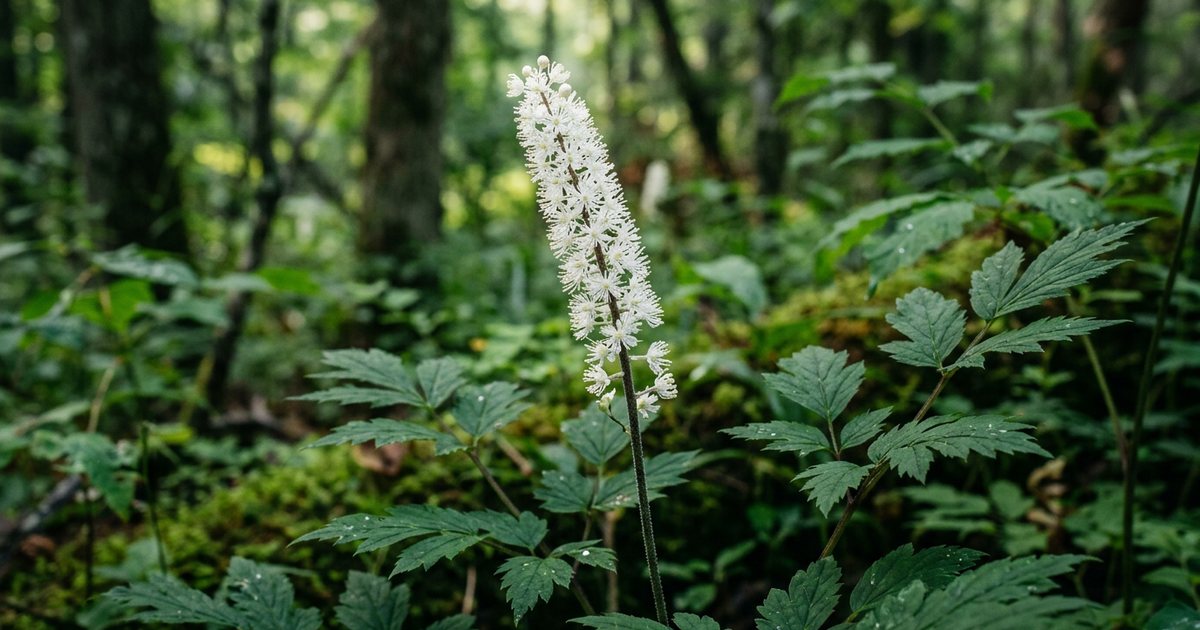
Black cohosh (Actaea racemosa), a perennial plant native to North America, has a long history of traditional use for women’s health concerns. In contemporary times, it is widely used as a botanical supplement to help manage menopausal symptoms, particularly hot flashes and night sweats [2].

Research into black cohosh’s effectiveness for menopausal symptoms has yielded mixed results, contributing to a moderate level of evidence strength for this topic. Some studies suggest that certain standardized black cohosh extracts may offer relief for vasomotor symptoms. For example, a randomized trial found that a specific isopropanolic black cohosh extract showed some efficacy in managing menopausal symptoms, including a comparison with tibolone for uterine fibroids in patients with menopausal symptoms [3]. Other research indicates that black cohosh may have a modest effect on hot flashes [4].
However, a comprehensive review noted that the evidence for black cohosh’s effectiveness in reducing hot flashes is inconsistent, with some trials showing no significant difference compared to placebo [2]. This variability in findings underscores the importance of considering the specific extract used and individual responses when evaluating black cohosh as an option.
Comparing Efficacy: Black Cohosh vs. Hormone Therapy
When directly comparing black cohosh to hormone therapy for menopausal symptoms, particularly vasomotor symptoms, HT generally demonstrates a more robust and consistent effect. A randomized trial comparing various treatments, including black cohosh, soy, and hormone therapy, found that hormone therapy was more effective than placebo in reducing vasomotor symptoms [1]. While black cohosh showed some activity, its effect was often less pronounced than that of HT in direct comparisons within similar studies [1].
The evidence base suggests that HT tends to provide a more significant and reliable reduction in the frequency and severity of hot flashes compared to black cohosh. This does not mean black cohosh is without potential benefits; rather, its effects may be more subtle or variable, and it might be considered by women seeking non-hormonal approaches or those who cannot use HT [5].
It is also important to consider the type of black cohosh extract. The efficacy of herbal remedies, including black cohosh, can depend on standardization and specific preparation [6]. Therefore, comparing a well-studied HT regimen to a particular black cohosh extract requires attention to the details of the research.

Safety and Side Effects: Key Considerations
Both black cohosh and hormone therapy have their own safety profiles and potential side effects, which are critical to consider. Hormone therapy, while effective, has been associated with certain risks depending on the type, duration of use, and individual health factors. These risks can include, but are not limited to, an increased risk of blood clots, stroke, heart disease, and certain cancers in some populations, particularly with long-term use [1]. Therefore, HT is typically prescribed after a thorough medical evaluation and careful discussion of individual risks and benefits.
Black cohosh is generally considered well-tolerated by many women. Reported side effects are typically mild and can include gastrointestinal upset, headache, and rash. While rare, there have been concerns about liver injury associated with black cohosh products, though a direct causal link has been difficult to establish in many cases [2]. It is crucial to use reputable, standardized products and to discuss any existing liver conditions or medications with a healthcare provider before starting black cohosh.
When choosing between these options, an individual’s complete health history, personal preferences, and the severity of their symptoms should guide the discussion with a healthcare professional. The choice often comes down to balancing the potential for symptom relief with the associated safety considerations for each approach.
References
- Treatment of vasomotor symptoms of menopause with black cohosh, multibotanicals, soy, hormone therapy, or placebo: a randomized trial. Annals of internal medicine, 2006
- Black cohosh (Cimicifuga spp.) for menopausal symptoms. The Cochrane database of systematic reviews, 2012
- Efficacy of a standardized isopropanolic black cohosh (Actaea racemosa) extract in treatment of uterine fibroids in comparison with tibolone among patients with menopausal symptoms. Holistic nursing practice, 2014
- Botanical and dietary supplements for menopausal symptoms: what works, what does not. Journal of women’s health (2002), 2005
- Contemporary alternatives to plant estrogens for menopause. Maturitas, 2006
- Efficacy of Herbal Remedies in Menopause: Bridging Traditional Medicine and Modern Therapeutics. Current drug research reviews, 2025
These statements have not been evaluated by the Food and Drug Administration. This information is not intended to diagnose, treat, cure, or prevent any disease. Content is for informational purposes only and is not medical advice; consult a qualified healthcare provider before starting any supplement. As an Amazon Associate we earn from qualifying purchases.
