Navigating the menopausal transition often involves exploring various strategies to support well-being. Many women consider a combination of approaches, including dietary adjustments, physical activity, and botanical supplements, to manage common experiences like hot flashes and sleep disturbances.
This article examines how black cohosh might fit into a broader wellness plan that emphasizes lifestyle modifications. It’s important to approach these options with realistic expectations, understanding that individual responses can vary, and current evidence for many complementary therapies is still developing.
Understanding Menopause and the Desire for Holistic Support
Menopause is a natural biological transition marked by the cessation of menstrual periods. During this time, fluctuating hormone levels can lead to a range of experiences, including hot flashes, night sweats, sleep disruptions, and mood changes. While these experiences are a normal part of life, many women seek ways to navigate them comfortably and maintain their quality of life.
The interest in holistic support for menopause often stems from a desire for approaches that consider the whole person, integrating physical, emotional, and lifestyle factors. This can include dietary choices, exercise, stress management techniques, and sometimes, the exploration of botanical options like black cohosh.
Black Cohosh: An Overview of Its Role in Menopause Conversations
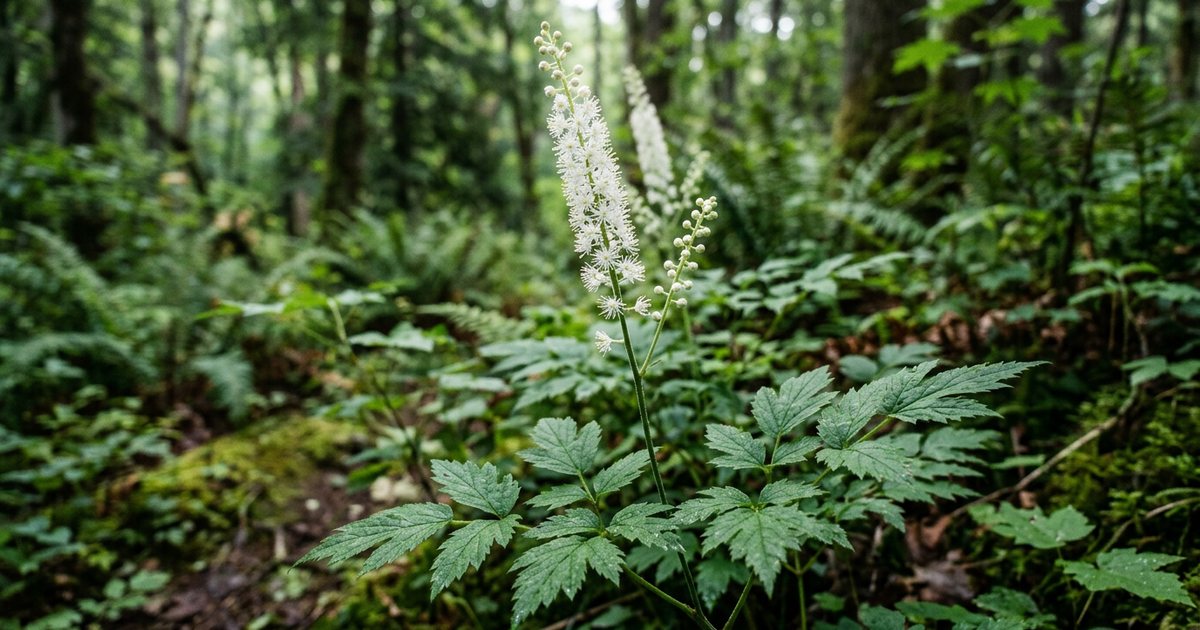
Black cohosh (Cimicifuga racemosa) is a botanical supplement that has been traditionally used and is often discussed in the context of menopausal support. It is one of several complementary and alternative therapies that women may consider for climacteric symptoms [1].
Some research suggests that black cohosh may have a role in helping with certain menopausal experiences, particularly hot flashes [2]. However, the exact mechanisms by which it might work are not fully understood, and not all studies have shown consistent effects.

It’s important to remember that while black cohosh is a frequently discussed option, the evidence supporting its use is considered limited, and individual results can differ significantly.
The Foundation: Lifestyle Changes for Menopausal Well-being
Regardless of whether botanical supplements are considered, lifestyle changes form a fundamental component of comprehensive menopausal management. These changes can significantly contribute to overall well-being during this transition. Eating a balanced diet rich in fruits, vegetables, and whole grains can provide essential nutrients and support energy levels.
Regular physical activity, such as walking, swimming, or yoga, can help manage weight, improve mood, and support bone health. Exercise may also contribute to better sleep and help reduce the frequency or intensity of hot flashes for some women. Stress reduction techniques, including mindfulness, meditation, or deep breathing exercises, are also valuable tools for navigating mood fluctuations and promoting a sense of calm.
Adequate sleep hygiene, such as maintaining a consistent sleep schedule and creating a comfortable sleep environment, is crucial for managing fatigue and supporting cognitive function during menopause.
Integrating Black Cohosh with Lifestyle Approaches
For women who choose to explore black cohosh, it is often considered as one component within a broader strategy that prioritizes lifestyle modifications. The idea is not for black cohosh to replace healthy habits, but rather to potentially complement them. For example, a woman might focus on improving her diet and exercise routine, and then consider adding black cohosh to see if it offers additional support for specific concerns like hot flashes.

While some integrative therapies, including black cohosh, are explored for menopause [2], there is limited specific research on the synergistic effects of combining black cohosh directly with various lifestyle changes. The general principle remains that a strong foundation of healthy living is beneficial, and botanicals are often viewed as potential adjuncts.
When considering black cohosh, it is important to discuss it with a healthcare provider to ensure it is appropriate for your individual health profile and to understand potential interactions with other medications or health conditions.
Navigating Expectations and Individual Responses
It’s crucial to approach the integration of black cohosh and lifestyle changes with realistic expectations. Not every woman will experience the same benefits from black cohosh, and some may find that lifestyle adjustments alone provide sufficient support. The effectiveness of complementary and alternative therapies for climacteric symptoms can vary greatly among individuals [1].
Patience is also key, as botanical supplements may take time to show any potential effects. Maintaining open communication with healthcare providers is essential throughout this process, allowing for adjustments to your management plan as needed.
References
- [Complementary and alternative therapies for climacteric symptoms]. Gynakologisch-geburtshilfliche Rundschau, 2006
- Integrative therapies for menopause. Southern medical journal, 2005
These statements have not been evaluated by the Food and Drug Administration. This information is not intended to diagnose, treat, cure, or prevent any disease. Content is for informational purposes only and is not medical advice; consult a qualified healthcare provider before starting any supplement. As an Amazon Associate we earn from qualifying purchases.
