Navigating menopausal hot flashes can be a significant part of midlife for many women. While hormone therapy is a well-known option, some women may seek non-hormonal approaches, including both prescription medications and herbal supplements like black cohosh.
This article explores the current understanding of black cohosh in comparison to certain non-hormonal prescription medications that may be considered for managing hot flashes. It’s important to approach these comparisons with an understanding of the available evidence.
Understanding Hot Flashes and Management Approaches
Hot flashes, also known as vasomotor symptoms, are a common experience during menopause, characterized by sudden feelings of heat, sweating, and flushing. These can vary in intensity and frequency, impacting daily life and sleep quality.
Management strategies for hot flashes range from lifestyle adjustments to various pharmaceutical and complementary options. For those who prefer to avoid hormonal interventions, both specific prescription medications and herbal supplements are sometimes considered.
Black Cohosh: An Herbal Option for Menopausal Symptoms
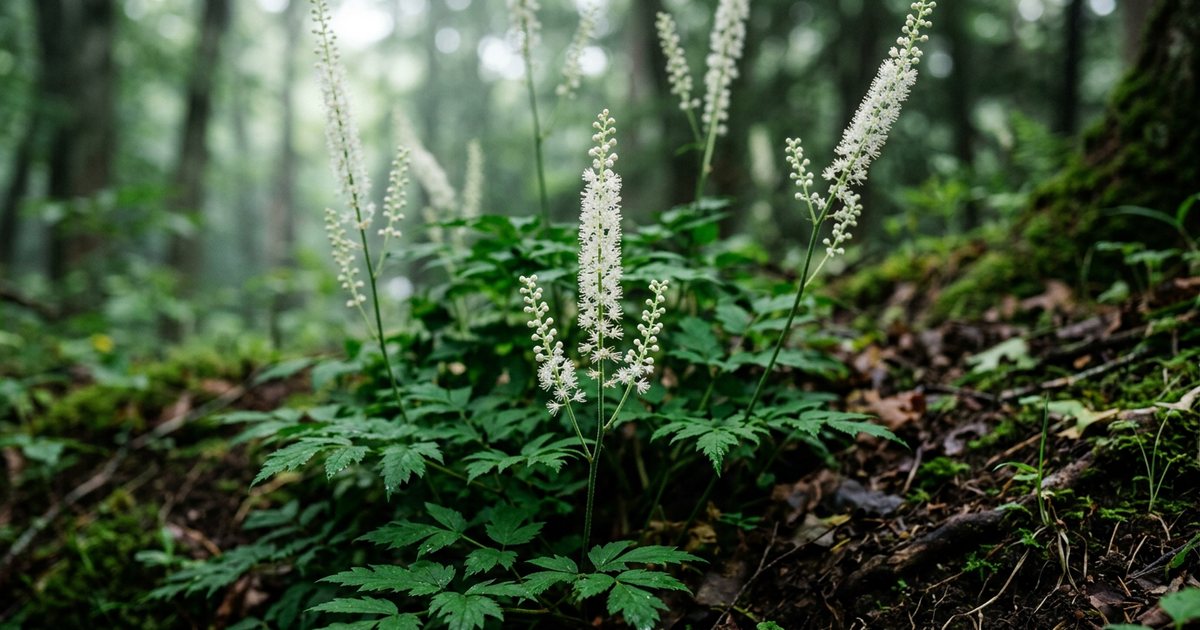
Black cohosh (Cimicifuga racemosa) is an herb native to North America that has been traditionally used for a variety of conditions, including gynecological issues. In contemporary use, it is often marketed as a supplement for menopausal symptoms like hot flashes.
The exact mechanisms by which black cohosh might influence hot flashes are not fully understood. Research has explored various potential pathways, but a definitive explanation remains elusive. It is often considered by women seeking natural alternatives for symptom management.

Prescription Non-Hormonal Medications for Hot Flashes
Beyond hormone therapy, several non-hormonal prescription medications have been studied for their potential to help manage hot flashes. These medications often include certain antidepressants (SSRIs and SNRIs) and gabapentin, which are typically prescribed off-label for this purpose.
These medications work through different mechanisms in the body, such as influencing neurotransmitter levels in the brain, which may indirectly affect the body’s thermoregulatory center and reduce the incidence or severity of hot flashes. Their use is typically guided by a healthcare provider based on individual health profiles and symptom severity.
Comparing Black Cohosh and Prescription Non-Hormonal Options: What the Evidence Suggests
When comparing black cohosh to prescription non-hormonal medications for hot flashes, it’s important to look at the strength and consistency of the evidence. For prescription non-hormonal options, there is a body of research supporting their ability to alleviate hot flashes, though individual responses can vary.
For black cohosh, the evidence regarding its effectiveness for hot flashes is limited and inconsistent. Some reviews suggest that certain non-hormonal alternatives to estrogen, including some antidepressants and gabapentin, may be effective for hot flashes [1]. However, the same review notes that the evidence for black cohosh is not as robust or conclusive [1].
This means that while some women may report relief with black cohosh, scientific studies have not consistently demonstrated a significant advantage over placebo or a comparable effect to established non-hormonal prescription options for hot flashes. The limited evidence base makes direct comparisons challenging.

Safety and Side Effects: Considerations for Both Approaches
Both black cohosh and prescription non-hormonal medications carry potential side effects and safety considerations. Prescription medications have known side effect profiles that are discussed with a healthcare provider and monitored during use. These can range from mild to more significant, depending on the specific medication.
For black cohosh, common side effects are generally mild and can include gastrointestinal upset, headache, and rash. More serious concerns, though rare, have been raised regarding liver issues, although a direct causal link is not definitively established in all cases. Due to the limited regulation of herbal supplements, product quality and consistency can also vary. It is always important to discuss any supplement use with a healthcare provider.
Making Informed Choices for Menopausal Symptom Management
Deciding on a management strategy for hot flashes involves a personal assessment of symptoms, health history, potential benefits, and risks of various options. For some, the idea of a ‘natural’ approach like black cohosh is appealing, while others may prefer the more established evidence base of prescription medications.
It is crucial to have an open conversation with a healthcare provider about all available options, including black cohosh and prescription non-hormonal medications. They can offer guidance based on individual health needs, help weigh the limited evidence for black cohosh against the more robust data for prescription options, and monitor for any potential side effects or interactions.
References
- Hot flushes: are there effective alternatives to estrogen?. Menopause international, 2010
These statements have not been evaluated by the Food and Drug Administration. This information is not intended to diagnose, treat, cure, or prevent any disease. Content is for informational purposes only and is not medical advice; consult a qualified healthcare provider before starting any supplement. As an Amazon Associate we earn from qualifying purchases.
